
Theme - Georgia

European Embrace or Russian Straitjacket? Georgia’s Fateful Choice
PSCRP-BESA Reports No 183 (February 17, 2026)
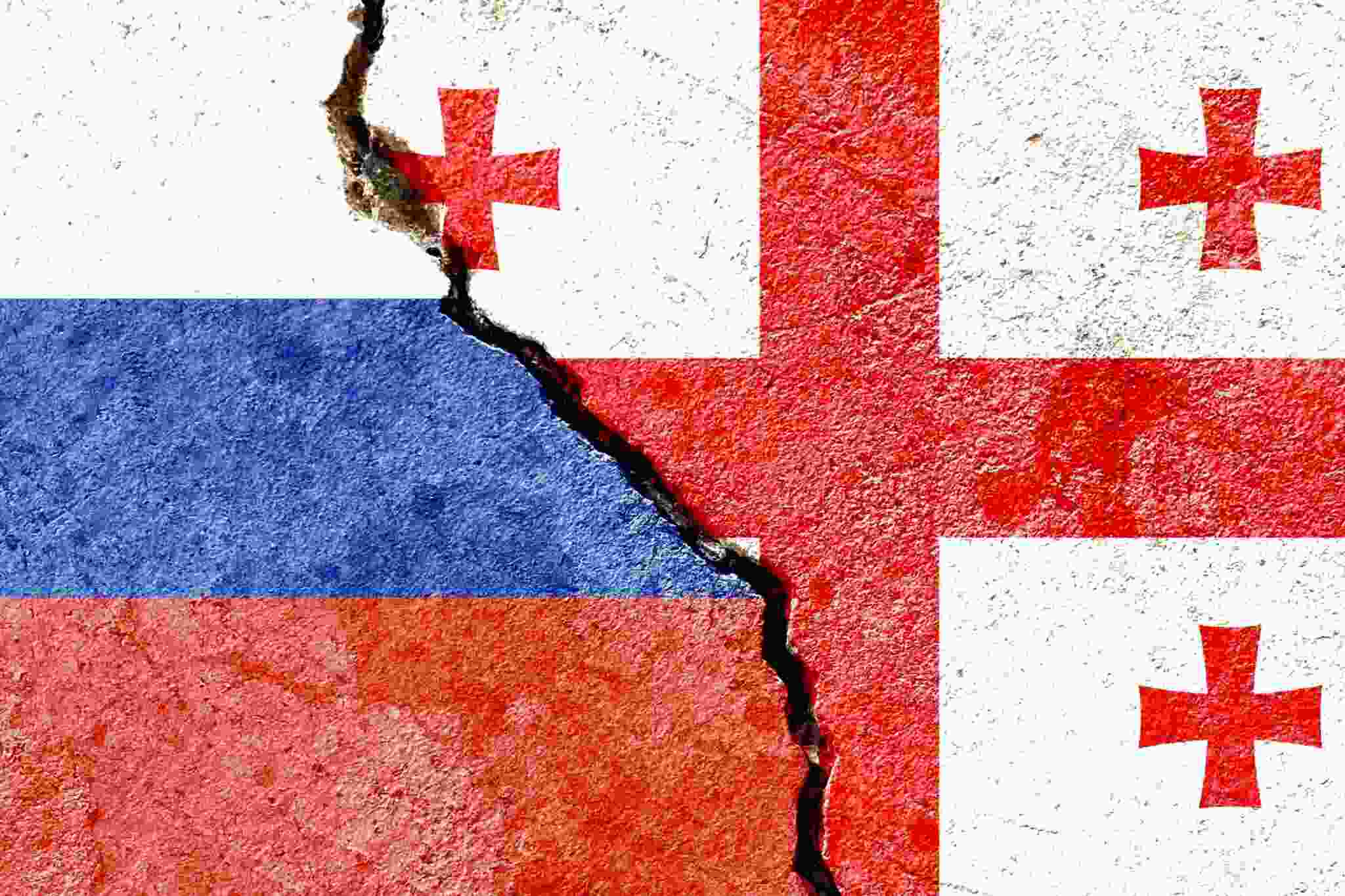
The European Union’s 20th sanctions package marks an unprecedented escalation: for the first time, Brussels is targeting a port in a country that holds EU candidate status. Georgia’s Kulevi terminal, now implicated in facilitating Russian oil shipments, encapsulates a broader transformation underway in Tbilisi — one that is steadily converting a once-promising candidate for European integration into a facilitator of sanctions evasion for Moscow.
In early February 2026, the European Commission unveiled its 20th sanctions package against Russia, designed to intensify pressure on Moscow ahead of the fourth anniversary of the full-scale invasion of Ukraine. Among the most striking elements was a proposal to sanction ports in third countries for the first time — specifically, Georgia’s Black Sea port of Kulevi and Indonesia’s Karimun. The inclusion of a Georgian port in EU sanctions represents a watershed moment, signaling that Brussels now views Tbilisi not as a partner on the path to membership, but as a participant in circumventing the Western-led sanctions architecture.
This development crystallizes a trajectory that has been building since 2024. Under the ruling Georgian Dream party, Georgia has moved from democratic backsliding to active alignment with Russian economic interests — all while maintaining the constitutional fiction of European integration. The country that once stood as the Eastern Partnership’s success story now risks becoming a cautionary tale of how quickly geopolitical orientation can shift when institutional safeguards erode.
The Kulevi Terminal: Where Oil Meets Intelligence
The Kulevi oil terminal, situated on the Black Sea coast between Poti and Anaklia, has operated for decades under Azerbaijani state oil company SOCAR ownership. However, its strategic significance transformed in late 2025 with the launch of Georgia’s first oil refinery — a development that coincided with a dramatic surge in Russian crude imports. According to data from Georgian customs and the Comtrade platform, Russian oil supplies to Georgia increased sixteen-fold in 2025, reaching 225,300 tons valued at a record $95.8 million.
The connections surrounding this refinery are troubling. According to the Russian investigative outlet Proekt, the facility’s founder and principal owner is businesswoman Maka Asatiani. Her son, Kahi Zhordania, reportedly conducted joint business in Russia with the son of Vladimir Alexeyev, the First Deputy Chief of Russia’s Main Intelligence Directorate (GRU). This connection between Georgian energy infrastructure and Russian military intelligence raises fundamental questions about the nature of economic ties forming between Tbilisi and Moscow.
The EU’s draft sanctions documentation states that the Kulevi port is being used for maritime transport of crude oil and petroleum products “produced in Russia or carried by Russian tankers using irregular and high-risk schemes.” In late January 2026, the oil tanker Silvari — identified as part of Russia’s “shadow fleet” — entered Georgian territorial waters for the first time, delivering approximately 32,000 tons of oil to the port. If the 20th sanctions package is adopted as proposed, European companies and individuals would be barred from transactions with Kulevi, significantly complicating the port’s financial operations and cooperation with Western partners.
From Candidate to Pariah: Georgia’s Democratic Regression
The potential sanctioning of Georgian infrastructure cannot be understood in isolation from the broader political transformation that has unfolded since 2024. Georgia received EU candidate status in December 2023, conditional on implementing nine key reforms spanning judicial independence, media freedom, electoral integrity, and anti-corruption measures. Instead of pursuing these reforms, the Georgian Dream government charted a radically different course.
In May 2024, the ruling party pushed through a “foreign agents” law requiring organizations receiving more than 20 percent of funding from abroad to register as “pursuing the interests of a foreign power” — legislation that mirrors Russia’s 2012 law used to decimate civil society. President Salome Zourabichvili vetoed the bill; parliament overrode her veto. The October 2024 parliamentary elections, widely characterized by international monitors as marred by irregularities, vote-buying, and intimidation, prompted opposition boycotts and sustained public protests. On November 28, 2024, Prime Minister Irakli Kobakhidze announced that Georgia would suspend EU accession negotiations until 2028.
The European Commission’s November 2025 enlargement report delivered a stark verdict: Georgia is now “a candidate country in name only.” Commissioner for Enlargement Marta Kos addressed the Georgian government directly: “You are not bringing your people to the EU, you’re bringing your people away from the EU.” Georgia’s alignment with EU foreign policy statements and Council decisions on sanctions has declined to 40 percent — down from 53 percent in 2024 — and Tbilisi has not aligned with the vast majority of EU restrictive measures against Russia, Belarus, and Iran.
The Ivanishvili Factor: Russian Roots, Georgian Power
Understanding Georgia’s trajectory requires examining the figure at its center: Bidzina Ivanishvili, founder and de facto ruler of Georgian Dream despite holding no formal office since 2013. Ivanishvili accumulated his estimated $7.6 billion fortune in post-Soviet Russia during the 1990s, acquiring banking and metals assets during privatization. His long-time business partner, Vitaly Malkin, served in Russia’s Federation Council from 2004, appointed by President Vladimir Putin.
Investigative reporting by the Organized Crime and Corruption Reporting Project has revealed that Ivanishvili’s wife continued expanding personal holdings in Russia as recently as 2024, acquiring property near the elite Peredelkino dacha settlement outside Moscow. Income from the family’s Moscow residence flows through a Russian bank sanctioned by the West. These revelations contradict Ivanishvili’s pledge upon entering Georgian politics in 2011 to divest from Russian assets.
In April 2024, Ivanishvili delivered a rare public speech in which he blamed Western powers — not Russia — for Moscow’s 2008 invasion of Georgia and 2022 attack on Ukraine, framing critics as part of a “Global War Party” seeking to drag Georgia into conflict. This rhetoric, echoing Russian state narratives, has been internalized across the ruling establishment. Prime Minister Kobakhidze has suggested that external forces control the United States and European Union — claims that would be unremarkable in Russian state media but represent a fundamental departure from Georgia’s post-independence pro-Western consensus.
Strategic Implications: The Russian Embrace Tightens
Georgia’s economic reorientation toward Russia extends beyond oil. The country’s dependence on Russian imports has deepened across strategic sectors. Trade in natural gas reached record levels in 2024, with imports valued at $180.9 million — the highest since 2009. Russian tourism and capital flows have contributed to economic growth figures that Georgian Dream leverages for domestic legitimacy, even as this growth entrenches dependence on a hostile neighbor that occupies approximately 20 percent of Georgian territory.
The Centre for Research on Energy and Clean Air has documented “suspicious cases” of Russian oil products being re-exported through Georgia to sanctioning countries, with the country of origin effectively laundered through Georgian intermediaries. This sanctions-evasion infrastructure positions Georgia not merely as a passive beneficiary of Russian economic ties, but as an active participant in undermining the Western response to the invasion of Ukraine.
For Georgian Dream, the calculus appears straightforward: maintaining power requires avoiding accountability mechanisms that genuine EU integration would impose. European accession demands judicial independence, anti-corruption reforms, and electoral integrity — precisely the conditions that would threaten the party’s grip on power. Russia offers an alternative model: economic patronage in exchange for political alignment, with no inconvenient requirements for democratic governance.
The European Union now faces a decision that extends beyond Georgia. If a candidate country can suspend its own accession process, adopt Kremlin-style legislation, facilitate sanctions evasion, and face no meaningful consequences, the credibility of EU enlargement policy is fundamentally compromised.
Yet the tools available to Brussels are limited. Hungary and Slovakia have vetoed sanctions targeting Georgian officials, frustrating efforts to impose personal consequences on those responsible for democratic regression. Suspending Georgia’s candidate status would require unanimity — a bar that has never been met in EU history. The most probable outcome is incremental escalation: port sanctions, diplomatic downgrading, partial suspension of the Association Agreement — measures that signal displeasure without fundamentally altering Tbilisi’s trajectory.
For the Georgian public, the stakes could not be higher. Opinion polling consistently shows that approximately 80 percent of Georgians support EU membership. Protesters have filled the streets of Tbilisi and cities across the country since November 2024, defying water cannons, tear gas, and police brutality. Yet Georgian Dream appears to have concluded that suppressing domestic opposition is easier than satisfying European conditions — and that Russia offers sufficient economic and political backing to weather Western disapproval.
The European dream that Georgians have pursued since independence is becoming a Russian nightmare — not because of external imposition, but through the choices of a ruling party that has determined that autocratic alignment with Moscow better serves its interests than democratic integration with Brussels. Georgia’s constitutional commitment to EU and NATO membership remains, an increasingly hollow testament to aspirations that the current government has abandoned in all but name. The European embrace has been traded for what may prove to be a Russian straitjacket — one that, once fastened, will be exceedingly difficult to remove.
Georgia is becoming Russia’s outpost in the Caucasus. Can Europe prevent this?
PSCRP-BESA Reports No 154 (September 25, 2025)
On September 1, the ultimatum set by the European Union expired, threatening to cancel Georgia’s visa-free regime if a number of demands were not met, including repealing the Russian-style law on “foreign agents” and the package of laws “on family values,” essentially directed against the LGBT community, as well as halting repression against protesters.
These demands were not met – the Georgian parliament was on recess throughout August, and even if it had been in session, the country’s political leadership showed no sign of readiness to liberalize its stance on a number of sensitive issues. On the contrary, Prime Minister Irakli Kobakhidze emphasized his refusal to compromise precisely on the two key points – the laws on foreign agents and against LGBT rights.
At the same time, courts have been handing down harsh sentences to participants in the protests, with Russian nationals in particular being sent to prison for long terms on fabricated drug-related charges. Arrests of opposition leaders also continue. In the global Press Freedom Index compiled by Reporters Without Borders, Georgia dropped to 114th place out of 180 – compared to 103rd a year ago and 77th in 2023.
In other words, the Georgian authorities are openly ignoring the demands of the European Union. At the same time, the country’s top leadership is attempting to restore its strategic partnership with the United States (the State Department suspended the relevant agreement in November last year) and has been writing letters to Trump.
The first, private letter was sent by the leadership of Georgian Dream shortly after Trump took office. At the time, U.S. Ambassador to Georgia Robin Dunnigan described it as “threatening, insulting, unserious, and very poorly received in Washington.” The U.S. administration never responded.
The next letter was public. Kobakhidze sent it on May 13. The document is saturated with rhetoric clearly intended to act as a trigger for Trump – citing common adversaries such as the “deep state,” USAID, NED, “LGBT propaganda,” and the Biden administration. This letter also received no reply.
Finally, in September, Georgian President Mikheil Kavelashvili addressed Trump with a letter very similar in meaning and phrased in the same terms.
The strategic partnership agreement has not been restored, but it would also be wrong to say that the efforts of Georgian leaders have been entirely unsuccessful. The so-called Megobari Act, introduced by Joe Wilson—incidentally, a Republican—was passed by the House of Representatives on May 6. It provides for sanctions against the party leadership, state officials, and security forces, as well as support for civil society. But its fast-tracked consideration in the Senate was unexpectedly blocked by Republican Senator Markwayne Mullin, and the further fate of the bill remains unclear (notably, Mullin had previously been a critic of “Georgian Dream”).
Wilson did not give up: at his initiative, a congressional committee proposed including an amendment in the State Department funding bill, according to which no federal funds may be allocated or any actions undertaken that would imply recognition of the current Georgian government led by “Georgian Dream.”
In recent months, the U.S. executive branch has made no public comments on the situation in Georgia. Nor does Brussels plan to raise the “Georgian question” in the near future, viewing threats to revoke visa-free travel as virtually the only leverage against a regime drifting toward Russia.
Unlike visa sanctions against Russians and Belarusians, in Georgia’s case this measure would be more than symbolic: remittances from emigrants are a significant source of foreign currency inflows. For example, in August alone, transfers from the European Union to Georgia amounted to more than $144 million, with nearly another $60 million coming from the United States.
However, according to analysts, more substantial sanctions—above all, personal ones against oligarch Bidzina Ivanishvili, who effectively makes key political decisions, as well as against his close associates and security officials—cannot be adopted because of the EU’s consensus rule. Hungary and Slovakia have stated they will not support such measures.
Even less is there any talk of economic or sectoral sanctions, although there are two obvious groups of reasons for them: first, Georgia’s domestic politics, which are visibly becoming increasingly authoritarian; second, its role in helping Russia circumvent sanctions.
Georgia, which has not introduced sanctions against Russia, formally complies with U.S. and EU sanction requirements. This does not prevent it from remaining one of the largest hubs for actually bypassing them through complex and sophisticated “schemes.” This primarily concerns the re-export of automobiles, but is not limited to that. As early as the first months of Russia’s full-scale invasion, Ukrainian intelligence accused Georgia of facilitating the smuggling of sanctioned goods, including military and dual-use items.
In addition to “gray imports,” Russia is also increasing the “gray export” of its oil through Georgia, including to European countries. Georgian economist Vakhtang Partsania emphasizes that businessmen affiliated with the authorities are enriching themselves through sanction circumvention, and therefore have a vested interest in maintaining the status quo.
It seems that the lack of political will and the EU’s internal divisions are not the only reasons for Brussels’ toothlessness toward the Georgian authorities. An equally, if not more, compelling reason is the fear of pushing Georgia away completely—thus driving it into the Kremlin’s embrace.
This concern is not unfounded. As early as 2023, political scientist Francis Fukuyama warned of such a risk. Now, with Russia having spoiled relations with both Azerbaijan and Armenia, and its Black Sea ports under constant Ukrainian attack, Moscow has an even greater interest in Georgia—primarily as a logistical “bridge” to the Global South, but also as a propaganda example demonstrating the success of anti-Western policy; this had already been noted in PSCRP-BESA publications.
This raises the question: is there a “red line,” a threshold that Georgia would have to cross before Europe moves to more decisive measures—and what measures should those be to avoid being counterproductive? Notably, even Prime Minister Kobakhidze’s announced suspension of the EU integration process until 2028—contradicting the country’s constitution, which explicitly enshrines the goal of joining the EU and NATO—has not yet become such a “red line.”
From this perspective, the cancellation of visa-free travel may be the worst, though at the same time the most realistic (since, for such a decision, consensus is not required—only a qualified majority of votes) step. The experience of visa sanctions against Russians and Belarusians shows that they are at best ineffective and at worst counterproductive, leading to resentment and “rallying around the flag.” Ordinary citizens—who are the main ones affected—perceive them as unjust, since the elites still retain plenty of ways to travel freely to Europe. In Georgia, where nearly three-quarters of the population supports a pro-Western orientation, this effect would be even stronger: not only is the opposition-minded part of society facing repression, but in the case of visa-free cancellation, it would also be punished for the actions and decisions of the regime.
The rhetoric of some European leaders regarding anti-Russian visa sanctions suggests that they may believe such restrictions, and the resulting decline in the quality of life for citizens, will push people to pressure their government into changing its political course. On what these expectations are based is unclear: this logic has failed not only in Russia, but essentially everywhere, at all times. Including in Georgia itself: Georgians can hardly be accused of not protesting enough, yet their demonstrations were suppressed by force, while at the same time the ruling party took control of the judiciary and the electoral machinery.
More productive methods of pressure are likely to involve a combination of “sticks and carrots.” Among them:
• personal sanctions against Ivanishvili and a broad circle of the country’s political leaders, as well as judges and security officials involved in repression;
• secondary sanctions for assisting Russia in circumventing restrictions, including a ban on the purchase of Russian oil “laundered” in Georgia;
• financial support and reliable protection for whistleblowers (investigative media, NGOs, activists) who expose information about the authorities’ ties with the Kremlin, their assets, corruption schemes, involvement in human rights violations, etc.;
• encouraging “elite defections,” from a clear “roadmap” for those seeking to get out from under sanctions to the development of attractive investment projects, participation in which would be conditional on some form of disengagement from economic cooperation with Russia.
The prospects for adopting such measures are doubtful for the reasons mentioned above. But even if they could be approved, two additional key factors must be highlighted that will determine the ability of the “collective West” to prevent Georgia’s final transformation into a Russian satellite.
The first is that the West must remain collective. In other words, U.S. and EU policy toward Georgia is currently more or less aligned. This will change if the Georgian leadership succeeds in exploiting the cooling—and often barely concealed animosity—between the current administration in Washington and Brussels.
The second is Europe’s appeal as a model and idea, its ability to remain an attractive and desirable alternative to Russia and a reliable, strong ally. Yet it is precisely the foundation of Europe’s political identity that is now in crisis, with manifestations and likely consequences far more serious than the difficulties of trying to influence Georgia.

Monthly Monitoring of Analytical Publications on Post-Soviet Conflicts
PSCRP-BESA Reports No 147 (August 18, 2025)
1. Our July review opens with an article by Dinissa Duvanova, a researcher from the Department of International Relations, Lehigh University, Bethlehem, PA, United States, titled “Syndrome of populism and the evolution of post-Soviet regimes”, published in the July issue (No. 7) of Frontiers in Political Science.
The study by this young scholar boldly challenges the prevailing view in academic publications regarding the place and role of populism in the political process.
Professor Dinissa Duvanova’s article explores populism in the post-Soviet space, examining its manifestations and evolution under the pressure of authoritarian consolidation. The author questions traditional conceptualizations of populism, which often associate it with democratic institutions, and instead proposes a broader definition based on the notion of a “syndrome of populism”—a set of ideological, strategic, behavioral, and socio-cultural manifestations.
The central thesis of the article is that in post-Soviet states, the consolidation of repressive authoritarianism leads to the decline of populism rather than the reverse. The author argues that populist parties, movements, rhetoric, and policies thrived in transitional political conditions characterized by political pluralism, elite competition, electoral mechanisms, and a certain degree of civil liberties. As authoritarian regimes consolidate restrictive and non-participatory mechanisms of control (dominant parties, centralized propaganda machines, repressive apparatus), populist tactics become less widespread, and populism as a conceptual tool for describing political life loses its relevance.
Duvanova analyzes the manifestations of populism in the post-Soviet region, beginning with the early years after the collapse of the USSR, during periods of regime crises, under participatory autocracies, and under increasingly repressive dictatorial rule. To do this, she employs a definition of populism as a qualitative characteristic of doctrines, parties, and movements, where the central element is the opposition between elites and the masses, as well as the method and style of mobilizing mass support. This concept includes four key elements: the idealization of “the people” and popular sovereignty, anti-elitism and anti-institutionalism, the veneration of power (the state, the strong leader), and the opposition of “us” versus the hostile “other” (xenophobia, conspiracy theories).
When the opposition is excluded from the political process, the media are fully controlled by the state, and civil society is suppressed, populist rhetoric becomes the prerogative of autocratic leaders themselves. Duvanova refers to this phenomenon as “authoritarian pseudo-populism” or “ideological mimicry.” Examples include the use of nationalist and protectionist rhetoric by leaders such as Alexander Lukashenko and Vladimir Putin. However, according to the author, in the absence of pluralism and with the suppression of mass participation, such rhetoric lacks real political significance and serves merely as a façade for consolidating power.
In conclusion, Duvanova argues that the evolution of post-Soviet autocracies from economic liberalism and participatory authoritarianism toward statist and non-participatory political systems has undermined the populist project. Unlike in traditional democracies, where populism may contribute to institutional erosion, in post-Soviet states it has been suppressed and displaced as a real political force, since authoritarian regimes have deprived it of the essential conditions for existence—freedom of speech, political competition, and the possibility of mass mobilization.
2. The war between Russia and Ukraine has become such a significant factor in global politics that it is now not only the subject of articles, books, and reports but, as it turns out, also the focus of dedicated university programs.
Northwestern University, located in the suburbs of Chicago, offered such a program this spring: “Post-Soviet Politics: Russia, Ukraine, and the Road to War” under the direction of Professor Jordan Gans-Morse.
The Begin-Sadat Center, as part of Bar-Ilan University, could not overlook this academic innovation.
The course is structured more as political-historical than purely political science and is divided into four parts covering key stages in the development of the post-Soviet space.
The first part addresses the end of the Soviet era. Topics here include Marxism, Stalinism, totalitarianism, and the planned economy. The lectures examine Gorbachev’s reforms, the rise of nationalism and social movements, as well as the causes of the collapse of the Soviet system. Among the required readings recommended by the course author are excerpts from works by Mary McAuley, Archie Brown, and Daniel Treisman.
The second part of the course is titled “Triple Transitions” in Russia and Ukraine. This section analyzes attempts to build democratic institutions in Russia, including the constitutional crisis of 1993 and the presidential elections of 1996. It also examines the peaceful transfer of power in Ukraine and the so-called “Kuchma system.” Foreign policy during this period is explored through the lens of Russia’s and Ukraine’s search for a new identity, NATO expansion, and the Kosovo bombings. The economic aspect includes a study of “wild” capitalism with its oligarchs, mafia, and barter system.
The third part of the course is devoted to Putin’s rise to power and the centralization of authority, as well as the formation of the one-party system under United Russia. On the Ukrainian side, the Orange Revolution is analyzed as a “step toward democracy.” Foreign policy is viewed in the context of the September 11 terrorist attacks, Russia’s response to the “color revolutions,” and its invasion of Georgia. The economic component focuses on the role of oil in Russia’s economic revival and the emergence of “state capitalism.”
The fourth and final part covers the 2010s—Putinism, post-Maidan Ukraine, and the precursors to war. This section of the course focuses on the Maidan, the annexation of Crimea, and the armed conflict in Donbas. It also addresses the 2011–2012 protests in Russia, the rise of conservatism, nationalism, and authoritarianism in both countries. The course concludes with a discussion of the return of “industrial war” to Europe and the final divergence of Russia’s and Ukraine’s paths.
Although in our view the authors did not fully succeed in avoiding bias in their assessment of the role of various actors in the ongoing conflict, the very attempt to construct a comprehensive academic course on a still-unfolding “hot” military confrontation deserves high recognition.
3. The article by Nargiz Nagiyeva, “Post-Soviet Colonialism and Postcolonialism: A Contradictory Discourse”, published in Path of Science (Vol. 11, No. 3, 2025), caught our attention with its methodological approach. This brief study does not so much analyze as announce a deeper exploration of how postcolonial theory—which critiques unequal relations between a metropole and a colonized community—can be applied to the post-Soviet space.
As the researcher from Baku State University reminds us, traditional studies of colonialism focused on economic, political, and military aspects, whereas postcolonial theory has drawn attention to cultural and ideological dimensions.
The discussion of Russian colonialism, Nagiyeva notes, is characterized by contradictory perspectives. The author mentions Russian theorists whose views on this issue diverge: some categorically deny Russia’s colonial status, while others argue that Russia, from its very inception, occupied a colonialist position.
After the collapse of the USSR and the independence of its republics, Russia shifted to new forms of control over the post-Soviet space, which the author defines as postcolonial and neocolonial paradigms. These mechanisms aim to maintain political and economic influence.
In the context of economic dependence, the author cites the example of Armenia, whose economy, closely tied to the Soviet military-industrial complex, fell into deep crisis after gaining independence and continues to remain dependent on Russia. At the same time, Nargiz Nagiyeva points out that the economies of the former Soviet republics, in her view, were deliberately structured by the center in such a way as to prevent them from being self-sufficient.
Another important mechanism of what the author regards as neocolonial influence is the use of conflicts frozen during the Soviet period. After the weakening of central Soviet authority, these conflicts “thawed,” and the former republics became dependent on Moscow for military and political support. The article notes that Russia assumed the role of an “independent arbiter” in these conflicts, including those in Azerbaijan (the Karabakh conflict) and Georgia (Abkhazia and South Ossetia).
The article also points out that Russia maintains political influence by keeping the former Soviet elite in power. The author cites a passage from Evstratov, who argued that after independence, dissidents and anti-Soviet figures were replaced by former Soviet cadres (in Georgia, Armenia, and even Azerbaijan). While the author agrees with this claim, she clarifies that these “anti-Soviet figures” were national heroes who fought for independence. The assertion that such politicians “easily find common ground with the Russian Federation” is not entirely accurate, since even they seek to distance themselves from direct subordination to Moscow.
Overall, this undoubtedly interesting article leaves a mixed impression. On the one hand, the very attempt to apply the methodological framework of postcolonial theory to the processes unfolding in the former USSR deserves high praise. On the other hand, Nagiyeva, in our view, shifts excessively into the realm of political commentary and clearly imposes her own conclusions on the reader, without providing sufficient textual support.
4. An increasing number of high-quality multidisciplinary studies are being published by scholars from universities in the Persian Gulf countries. This is a new phenomenon that we are witnessing right now.
Whereas five years ago researchers from the UAE or Saudi Arabia largely concentrated on regional topics, today their field of interest has expanded significantly. At the same time, the mechanisms for accessing these works are still imperfect.
The article by John Hardy and Ruxandra Oana Vlad, researchers at Rabdan Academy, United Arab Emirates, was published in the Journal of Regional Security six months ago, but only recently became available through full-text publication search on the internet, which is why we have included it in our monitoring.
The Rabdan Academy scholars present their analysis of the role of unrecognized states (para-states) as a Russian tool for containing NATO expansion. The authors argue that in the context of geopolitical competition with Western countries, Moscow uses these territories as a “political wedge” to create buffer zones and sustain regional frozen conflicts. The study offers a comparative analysis of three examples of Russian-supported para-states: Transnistria in Moldova, Abkhazia and South Ossetia in Georgia, and Nagorno-Karabakh in Azerbaijan.
As the methodological basis of their study, the authors employed comparative analysis using four key variables: rationale, enablers, mechanisms, and outcomes.
Rationale: Defines Moscow’s explicit motives and justifications for supporting a given para-state.
Enablers: Identifies historical, political, and socio-cultural factors that facilitate Russian influence.
Mechanisms: Describes the material instruments of support, such as military presence, economic assistance, and infrastructure development.
Outcomes: Assesses the positive and negative effects of support for Russia’s foreign policy interests.
The study draws on mixed data from primary sources (official reports, government publications) and secondary sources (academic literature, media), which, according to the authors, allows them to minimize bias.
The central idea advanced in the study is that Russia’s support for post-Soviet para-states constitutes a deliberate and pragmatic instrument of its foreign policy, aimed at achieving strategic objectives. The analysis shows that Russia’s motives in each of the three cases are primarily driven by its own interests, which take precedence over those of the para-states themselves.
In conclusion, the authors argue that the support of para-states is a key and effective instrument of Russian foreign policy. Moscow uses them to generate destabilizing flashpoints on its periphery, weakening host states and obstructing their rapprochement with NATO. These actions have enabled Russia to expand its military presence and geopolitical influence, reinforcing its position as the principal arbiter of regional security in the post-Soviet space. Thus, para-states are not merely the byproducts of post-Soviet chaos, but a consciously sustained element of Russia’s strategy to preserve its “imperial influence.”
5. As part of its research into the nature of conflicts in the post-Soviet space, the Begin-Sadat Center has published several materials examining the dynamics of Western policy toward the former Soviet republics. These texts highlighted how pressure from the economic elites of these new states—unwilling to abandon their business orientation toward the former metropole—shaped a trend of declining interest in integration with the West.
The report “Inflection Point in the Caucasus: Untying Georgia’s Knot”, authored by John DiPirro and Laura Linderman of the Transatlantic Research and Policy Center (American Foreign Policy Council), was published in July 2025 within the framework of the Central Asia–Caucasus Research Program. The study analyzes the evolution and effectiveness of Western policy toward Georgia after the collapse of the Soviet Union, particularly in light of recent crises linked to the growing authoritarian tendencies of the ruling party Georgian Dream (GD).
The authors conclude that the West’s decades-long approach—attempting to balance support for democratic values with pragmatic cooperation—has led to strategic mistakes that now confront Western policymakers with a dilemma: what is more important—a democratic Georgia, or a cooperative, friendly Georgia?
It is precisely this framing of the question that we found most compelling in the work of DiPirro and Linderman. In fact, this question could be applied to relations with any post-Soviet country—even the Baltic states, despite their integration into the EU.
In their detailed analysis of Georgia, the authors identify four key failures of Western policy that have shaped the current situation.
First, there is the inconsistency in balancing values and interests. During the presidency of Mikheil Saakashvili (2003–2012), Western support for Georgia’s strategic orientation often came at the expense of overlooking its democratic shortcomings, which undermined trust in the West and created a precedent for future governments.
Second, the West misinterpreted Georgia’s domestic political dynamics, failing to recognize the depth of public disillusionment with the United National Movement (UNM) and underestimating the influence of Bidzina Ivanishvili. This led to perceptions of Western bias and eroded its moral authority.
Third, there was an excessive emphasis on technical assistance. Billions invested in institutional development assumed that democratic norms would evolve organically. In practice, however, this enabled both the UNM and GD governments to become more effective in anti-democratic practices, fostering dependence without accountability or meaningful reform.
Finally, the fourth failure lies in the vulnerability of Western policy to shifts and reactive approaches. Changes in U.S. and EU priorities resulted in strategic neglect of Georgia, as well as delayed and inconsistent responses to democratic backsliding.
The authors conclude that the West has reached an “inflection point” in its relations with Georgia. A policy that once combined democratic principles with pragmatic cooperation is no longer viable. In the face of growing Russian and Chinese influence, as well as broader shifts in the international order, Western policymakers must rethink their approach, clearly define the type of relationship they seek with Georgia, and decide whether to correct past mistakes or opt for a more pragmatic course.
A Few Dollars More: Why Political Orientation of South Caucasus Countries Shifts From the EU Toward Russia. Part I – Georgia
PSCRP-BESA Reports No 122 (March 31, 2025)
Just two years ago, the future political orientation of Armenia and Georgia toward closer ties with Western countries—primarily the European Union—appeared to have no alternative.
Immediately after Georgia gained independence in 1991, its leadership set state policy priorities aimed at establishing close relations with Western countries, chiefly the United States and the European Union. As early as 1996, Georgia signed a Partnership and Cooperation Agreement with the EU, and in 1999, it became a member of the Council of Europe. Five years later, in 2004, a committee on European integration was established in the Georgian parliament, and the position of State Minister for European and Euro-Atlantic Integration was created. Two years after that, in 2006, Georgia abolished visa requirements for EU citizens making short-term visits to the country. Another two years later, the EU reciprocated by launching the Eastern Partnership initiative to deepen ties with post-Soviet states, including Georgia. The effort culminated in the signing of an EU-Georgia Association Agreement in 2014, followed by a visa-free regime three years later.
Georgia applied for EU membership alongside Moldova on March 3, 2022. In June of the same year, the European Commission recommended granting candidate status to both republics, but the decision on Tbilisi’s application was postponed. Georgia ultimately received candidate status in December 2023.
Yet, on November 28, 2024, the Georgian authorities announced their decision to suspend EU accession negotiations from the national agenda until 2028. What happened?
Formally, Georgia’s partnership with Western countries began deteriorating after the adoption of the Law on Transparency of Foreign Influence and the Law on Protection of Family Values and Minors, which prohibits LGBTQ+ propaganda.
The EU froze relations with Georgia, canceled high-level meetings, halted financial assistance, and paused the country’s integration into the bloc, citing unmet preconditions for starting accession talks. Simultaneously, the U.S. suspended strategic partnership agreements and partial funding, imposing financial sanctions on Bidzina Ivanishvili, honorary chairman of the ruling party Georgian Dream. Five EU member states, alongside the UK, U.S., and Ukraine, introduced visa sanctions against over 300 Georgian officials.
The West accuses Georgia’s current leadership of democratic backsliding and anti-Western rhetoric. Georgian authorities attribute the rift to Western dissatisfaction with the country’s neutral stance on the Ukraine conflict and its insistence on preserving sovereignty.
However, the public rhetoric of both sides fails scrutiny: these are consequences—not root causes—of the seemingly abrupt reorientation of Georgia’s strategic vector.
Georgia, like Armenia (to be discussed later), is undeniably a country with democratic procedures for forming governments. Yet the political influence of business elites far exceeds traditional Western electoral models of sponsorship or support. The dirigisme of large businesses over Georgian and Armenian national politics is beyond the scope of this analysis, though it is well-documented in academic consensus by colleagues’ research.
Prior to February 2022, Russian authorities themselves anticipated a gradual thaw with the West and thus did not force Georgian elites into a binary geopolitical choice. The collapse of Russia-Europe normalization prospects made reintegrating Georgia and Armenia into Moscow’s political orbit a cornerstone of Russia’s new geopolitical strategy in the South Caucasus. In this context, Russia found its most convenient leverage within these states: national business elites, heavily dependent on maintaining commercial ties with Moscow and thus vulnerable to pressure.
In the late 1980s, during the twilight of the USSR, Bidzina Ivanishvili—dubbed “Georgia’s owner” and honorary chairman of Georgian Dream–Democratic Georgia—began his entrepreneurial career in Russia alongside Vitaly Malkin. By 1990, the partners had become leading electronics distributors. Ivanishvili owned Rossiyskiy Kredit (one of Russia’s largest banks), the agricultural conglomerate Stoilenskaya Niva, the pharmacy chain Doctor Stoletov, Moscow’s Minsk and Tsentralnaya hotels, and numerous industrial assets across Russia.
In October 2011, Ivanishvili announced the sale of all his Russian businesses, claiming he sought to create an opposition party in Georgia to challenge President Mikheil Saakashvili. However, most economic analysts in Russia and Georgia remain deeply skeptical that Ivanishvili’s Russian empire—which earned him nearly $7.5 billion and placed him 373rd in Forbes’ global rankings—was liquidated at peak profitability.
Regardless, official data suffices to confirm Georgian business elites’ extreme dependence on Moscow. According to Georgia’s National Statistics Office (Sakstat), Georgia-Russia trade turnover grew by 5.4% in 2024 compared to 2023, reaching $2.5 billion, making Russia Georgia’s second-largest trade partner after Turkey.
But this is hardly the crux.
First, consider Russian investments and ownership in Georgia. In strategically critical sectors like energy, Russian entities dominate: JSC Telasi, JSC Khrami HPP-1, JSC Khrami HPP-2, Mtkvari Energy TPP, Larsi HPP, Shilda HPP, and the unified energy system SakRusEnergo—all are Russian-owned and financed.
In mining, JSC RMG Copper and LLC RMG Gold belong to the Russian holding Mining Investment, ultimately owned by businessman Dmitry Troitsky. These firms specialize in copper and gold ore extraction and processing. Even Georgia’s iconic mineral water brand, Borjomi, is owned by IDS Borjomi of Russian billionaire Mikhail Fridman.
The brevity of this article precludes a full exposition of Russian capital’s penetration into Georgia’s major industries. Suffice it to note that, should the Kremlin order Russian businesses to “pressure” Tbilisi, it possesses more than sufficient leverage.
The second factor is Georgian business in Russia.
Alexandre Djaparidze is the only Georgian besides Ivanishvili on Forbes’ global rich list, ranking 61st among Moscow’s 200 wealthiest individuals. David Yakobashvili, founder of Russia’s largest dairy and juice company, Wimm-Bill-Dann (later sold to PepsiCo), remains Georgia’s most influential Jewish businessman in Russia, owning several key—albeit less visible—enterprises. A third example is Konstantin Mirilashvili, owner of Russian agro-holding Evroservice, a leader in Russia’s sugar and meat markets. Georgian entrepreneurs also dominate Russia’s restaurant sector, highly sensitive to regulatory shifts.
All these figures wield political clout in Tbilisi and serve as convenient tools for Moscow, given their reliance on Russian authorities’ goodwill toward their businesses.
The third factor emerged recently, directly tied to the Ukraine war and the mass exodus of Russian businesses—primarily to Georgia.
From February 2022 to February 2023 alone, over 16,000 individual enterprises (IEs) were registered in Georgia under Russian citizens’ names. By comparison, in the previous 27 years (January 1995–February 2022), Russians founded just 7,788 companies in Georgia. Russians have not merely relocated—they have intricately linked Georgia’s small and medium businesses to their remaining operations in Russia, creating tens of thousands of high-paying jobs. Official statistics obscure exact numbers, but Georgian authorities cautiously estimate 63,000 Russian relocants, while experts double this figure. Even the lower official number represents 5–7% of Georgia’s economically active population. Crucially, the average age of these relocants is 27–30—peak productivity years.
Their purchasing power is evident in Tbilisi’s 94% and Batumi’s 76% annual spikes in new property transactions, with premium housing demand in Adjara surging by 339%.
Given business’s decisive influence on electoral processes and government behavior in Georgia, the above facts make it unlikely that the pro-European aspirations of the population will translate into official policy.
In Part II, we will analyze why Armenia not only remains in Moscow’s orbit but shows signs of selective alignment. While many reasons mirror those discussed here, significant distinctions exist.

What are the Expectations from Trump in the South Caucasus?
PSCRP-BESA Reports No 116 (February 26, 2025)
The countries of the South Caucasus have approached Trump’s presidency under vastly different circumstances, which is unsurprising given that this region has never been geopolitically unified. Until recently, Georgia appeared aligned with the West, Armenia with Eurasia, and Azerbaijan with Central Asia. Yet, despite these orientations, they managed to interact—whether through alliances, conflicts, or trade.
The situation changed after 2020, when the 44-day war forced both Azerbaijan and Armenia to confront geopolitical realities, culminating between September 2023 and March 2024. The events of this brief period have presented the region’s countries with urgent challenges demanding immediate solutions.
Georgia’s leadership
Since Russia’s large-scale aggression against Ukraine, Georgia’s leadership has focused almost exclusively on maintaining power. The government opted for confrontation with its Western partners, appeasement of Russia, and the entrenchment of a political system where the informal rule of Bidzina Ivanishvili would remain unchallenged. This path was highly risky, as alienating Western allies not only exposed Georgia to severe socio-economic shocks but also increased its vulnerability to Kremlin influence. The Georgian economy relies heavily on a banking and financial sector integrated into international (i.e., Western) financial institutions, as well as on raw material exports (such as manganese and ferroalloys) to the EU. Additionally, its transport infrastructure plays a crucial role in the Trans-Caspian International Transport Route (TCITR, also known as the Middle Corridor). All these elements are critically susceptible to potential sanctions from both Europe and the United States.
Nevertheless, the Georgian authorities, seemingly resigned to their fate, severed ties with the West, openly abandoning past achievements and shaping an image of a nation that has rejected democracy, even as an idea. This culminated in the adoption of a series of anti-democratic laws, particularly in the electoral and judicial spheres, the blatant falsification of the October 2024 elections, a deliberate provocation in withdrawing from EU membership negotiations, and, finally, the brutal suppression of protests—actions that neither the EU nor the US could ignore.
This policy would have been politically suicidal for both the country and its leadership were it not for their bet on Trump’s victory. The Georgian government calculated that, with Trump in power, it could negotiate with the new US administration on the basis of ideological alignment and a shared enemy—an idea they began promoting from the moment of Trump’s victory by rebranding the “global war party” as the deep state. This bet paid off, as Georgia’s authorities now have the opportunity to gain Trump’s attention by co-authoring an alternative UN resolution on Russian aggression in Ukraine.
Whether the Trump administration will appreciate this move remains to be seen. The future of Georgia’s leadership now depends less on ideological affinity and diplomatic support and more on Trump’s negotiations with Moscow, Ankara, and Beijing.
Armenia’s Position
On the surface, Armenia appears to be the ultimate loser. The war was lost. An adversary that Armenians occupied for 30 years now stands at their borders, militarily capable of seizing the entire country and cutting it off from its ally, Iran. Hopes that a Democratic administration in Washington—one that had steadfastly supported Armenia without demanding concessions—would remain in power have been dashed. The strategic plan of waiting for a systemic crisis in Azerbaijan (and perhaps even facilitating it) before reviving the Karabakh conflict along the Kosovo model—a plan long supported by Armenian society and its diaspora—has collapsed.
For Armenia’s leadership, the widespread expectation of Karabakh’s reoccupation is a major obstacle to achieving peace and relieving the national psychological distress that has persisted since autumn 2020. However, the present moment offers an opportunity to abandon these long-term, illusory hopes of revanche, allowing Prime Minister Pashinyan room for compromise with Baku. Ultimately, these aspirations can always be revisited, but for now, progress in the peace process and improved relations with Turkey could serve as strong electoral assets for Pashinyan.
Thus, Armenia’s main expectations from Trump’s administration revolve around maintaining the status quo and securing guarantees that Azerbaijan will not resort to force. While the probability of Azerbaijan using force remains minimal, it is not zero, and the situation could change. To mitigate this risk, Armenia has influential allies within Trump’s administration, ranging from the establishment figure Marco Rubio to the anti-establishment Tulsi Gabbard. Therefore, Yerevan’s position is not as dire as it may seem. Moreover, the Charter on Strategic Partnership, signed under the previous US administration, serves as a tangible roadmap for advancing Armenian-Azerbaijani relations. If Georgia was able to extract significant benefits from a similar agreement in the late 2000s, there is no reason why Armenia, with its stronger foothold in US political circles, cannot do the same.
Azerbaijan’s Strategy
Azerbaijan, in the most advantageous position of the three, is now operating on a completely different level. The lingering psychological scars of its long war with Armenia remain, yet Baku is acutely aware of its economy’s critical dependence on European energy markets. However, this market is primarily Italian, where Azerbaijan enjoys strong relations, and Eastern European, where Baku has not just partners but genuine allies. Additionally, Azerbaijan’s energy exports extend beyond Europe to Israel, a strategic partner and major consumer of Azerbaijani oil.
With Trump’s administration, the risk of sanctions against Azerbaijan has diminished to near zero, allowing Baku to postpone Armenian-Azerbaijani settlement efforts and pursue concessions—from changes to Armenia’s constitution to opening a corridor to Nakhchivan and Turkey. There is no need for Baku to rush.
More importantly, Azerbaijan is undertaking a much more ambitious initiative: securing its long-term security through active participation in Middle Eastern and Eurasian (Central Asian) projects. Baku’s strong partnerships with Turkey, Israel, Uzbekistan, and Kazakhstan provide a solid foundation for this strategy. These projects not only yield economic dividends (such as involvement in TCITR, the development of Israel’s Tamar gas field, and Syria’s reconstruction) but also establish a political buffer against two existential threats to Azerbaijan: Russia and Iran. The recent diplomatic travels of Hikmet Hajiyev, Azerbaijan’s Presidential Advisor, underscore this approach.
The only potential weak link in Azerbaijan’s carefully constructed network is Georgia. Should Georgia fall under Russian influence, it would pose an unpleasant surprise for Baku. However, Azerbaijan’s leverage in this scenario is limited, leaving it to hope that this does not come to pass. Otherwise, Azerbaijan’s main expectations from Trump’s administration lie in US support for regional projects that will solidify its status as a mid-tier power.
In summary, Tbilisi seeks Trump’s recognition of its government as an ideological ally; Yerevan hopes for security assurances and the preservation of the status quo; and Baku anticipates US backing for its regional ambitions. The rest will be determined by time.
Three Scenarios for the Crisis in Georgia
PSCRP-BESA Reports No 105 (Dec 17, 2024)
The revolutionary situation in Georgia could reach its climax on December 29, influenced by two factors: external and domestic.
The external factor relates to Salome Zourabichvili’s successful foreign visit to Paris. During the opening ceremony of the Notre Dame Cathedral, facilitated by President Macron, she met with Donald Trump and Volodymyr Zelensky. She also held talks with Italy’s Prime Minister Giorgia Meloni. Many believe that Western leaders might recognize Salome Zourabichvili’s legitimacy as president, even though her term has officially ended. Meanwhile, new presidential elections were held under the so-called “Electoral College,” consisting of 300 members, primarily parliament deputies and representatives of local governments. In a one-day vote, they elected a new president, the pro-Russian leader of the “People’s Power” movement, former football player Mikheil Kavelashvili.
The situation is expected to become most critical between December 29 and 31, when the “winner” of this political contest will be determined. Salome Zourabichvili, recognized by Western countries (except Hungary and Turkey), refuses to vacate her position despite the results of the recent elections. Much attention is now focused on the security forces, who could have the decisive say. However, the Ministry of Internal Affairs, along with special forces units such as the Defense Forces, the State Security Service (SSG), and even the General Prosecutor’s Office, currently maintain predominantly “neutral” stances.
The ruling “Georgian Dream” party and its political team face a significant “security dilemma.” How will events unfold after December 29? How will they inaugurate the newly elected favorite, Mikheil Kavelashvili? And when will the inauguration take place?
The ruling party’s candidate, Mikheil Kavelashvili, was elected by the Electoral College on December 16 with 224 votes. So far, only Serbia, Belarus, Azerbaijan, and Armenia have recognized the pro-Russian president. No other country has extended congratulations.
The situation could escalate dramatically as mass demonstrations in support of Salome Zourabichvili continue. Protesters demand that Zourabichvili remain in office.
The current government may resort to force to oust Salome Zourabichvili, potentially including her arrest. Irakli Kobakhidze has accused Zourabichvili of being a “foreign state agent.”
Will Europe or the United States support Zourabichvili? Could there be new severe sanctions against the current political leadership of “Georgian Dream,” including suspension of Georgia’s visa-free regime?
Both pro-Western and pro-Russian forces are preparing for drastic measures.
Based on these developments, three potential scenarios for the crisis can be outlined:
The Pro-Russian Government Uses Force:
The new government, with its elected president, might attempt to resolve the situation through force. This could involve employing Russian mercenaries, various private military companies, or even representatives of Ramzan Kadyrov’s “private army.” This would result in mass political terror under the pretext of preventing a “state coup.” Martial law could be declared, limiting rights and freedoms, effectively leading to the “Belarusization” of Georgia. The West would sever all ties with Georgia.Salome Zourabichvili Establishes a New Power Center:
Zourabichvili and opposition parties, supported by mass protests, might create a new power center, forming a “technical interim government” to prepare for new parliamentary elections. In this scenario, government structures and law enforcement officers might side with the protesters. This could resemble a “Plohatniuk 2” scenario, forcing Bidzina Ivanishvili to flee the country.A 50/50 Compromise and Political Stalemate:
Zourabichvili could step down but refuse to recognize the current government led by “Georgian Dream.” Dual power might emerge in Georgia, leading to a sustained resistance and political imbalance. The outcome would depend on which side successfully mobilizes both internal and external forces to prevail in this confrontation.
A unique aspect of the current situation is the weakness of the Georgian opposition, which lacks charismatic leaders and a unified platform. Meanwhile, “Georgian Dream” comprises several political factions (at least five), making it susceptible to internal shocks and potential collapse. This risks plunging the country into political chaos.
Pool of Terror: Iran is Recruiting Operatives From the Former Soviet Union to Target Israelis
PSCRP-BESA Reports No 101 (Nov 29, 2024)
Recent events in the UAE and Central Asia show that Iran is again boosting recruitment of individuals from former Soviet republics for various purposes, including terrorist attacks and intelligence-gathering activities. Tehran plans to use these individuals directly against Israeli “targets” this time. The abduction and murder of Rabbi Zvi Kogan by three Uzbek terrorists is the most recent case. Despite the lack of public disclosure of definitive evidence linking this attack to Iran, experts point to several factors that support this conclusion.
The Modus Operandi is consistent with Iranian tactics:
The circumstances surrounding Rabbi Kogan’s murder align with methods previously attributed to Iranian operations, such as targeting individuals abroad through criminal proxies.
The incident occurred amid heightened tensions between Israel and Iran, with Iran historically opposing normalization efforts between Israel and Arab states, with an emphasis on the Persian Gulf emirates.
While direct ties of the apprehended perpetrators to Iran have not been confirmed, the use of foreign nationals in such operations is known to be a trademark tactic of the IRGC. One might think to first look into the Muslim denomination these terrorist operatives are a part of, however, no concrete evidence has surfaced to link them with Shia Islam – the primary religion in Iran.
ISIS might have carried out the attack, but it is well known that this organization consistently takes responsibility for the sake of clout, while Iran consistently refutes any involvement in such actions. Besides, the MO of the attack is different from those preferred by ISIS, which focus less on individual clandestine assassinations and more on mass casualty attacks.
Tajiks are known to be the IRGC’s primary recruiting pool; however, what about the Uzbeks?
Let’s examine previous cases in more detail. From December 2023 till January 2024, there were a series of failed attempts to attack Jewish Agency offices and the Ohr Avner Jewish Center in Almaty (Kazakhstan), an arson attempt on a farm belonging to the Israeli Saxovat Broyler Co. in Tashkent (Uzbekistan), and smaller events following the same pattern.
In August 2024, it became known that the organization behind these attempts was the IRGC-controlled Iraqi militia, Kata’ib Hezbollah (Hezbollah Brigades). The main coordinator, according to several sources, was Tajik operative Muhammad Ali Burhanov, also known as Sayed Hamid al-Tajiki.
According to the GFATF (Global Fight Against Terrorism Funding), Burhanov was recruited while studying at Al-Mustafa University in Iran—a known recruitment center for Tehran-backed militant groups, which is operating under the Islamic Propaganda Bureau of the Qom Seminary. The IRGC Qods Force’s Department 400 coordinates Burhanov’s activities. His handlers are Hossein Rahmani and Hossein Rahban, who are behind other attempts to murder Israelis abroad. For example, a November 2022 case in Georgia, where agents of the IRGC tried to kill a prominent Israeli businessman.
According to The Washington Institute, Qods Force’s Department 400 sometimes collaborates with ISIS and the Taliban despite deep-seated sectarian differences and opposing objectives.
It is crucial to remember that such sectarian differences as Sunni vs Shia Islam have not stopped the IRGC and Qods force from supporting Sunni terrorist groups before, as is the case with Hamas and the Palestinian Islamic Jihad.
This brings us back to the recent murder of Rabbi Kogan in the UAE, where three Uzbek nationals were involved. Previously there were no cases of IRGC recruiting Uzbeks—Iranians prefer Tajik Shias. Tajikistan’s population shares linguistic and cultural ties with Iran, as both are Persian-speaking nations. Since 2013, the IRGC has enlisted Tajiks to fight in Syria alongside pro-Assad forces. They were instrumental in key battles, including the recapture of Aleppo, under the command of Iranian military advisors.
By recruiting Tajiks, Iran aims to extend its influence into Central Asia, countering the presence of other regional powers and promoting its ideological and political interests. Furthermore, the emergence of ISIS-Khorasan (ISIS-K), also known as the Islamic State Khorasan Province (ISKP), in Afghanistan and its recruitment of Central Asians, including Tajiks and Balochis, presents a significant threat to Iran. By recruiting Tajik Shia fighters, Iran seeks to counterbalance Sunni groups.
Interestingly enough, ISIS-Khorasan is actively recruiting Uzbeks to fight in Afghanistan. Reports indicate that ISKP has deliberately expanded its social media efforts in the Uzbek language.
As previously mentioned, the relationship between ISKP and Iran is hostile. In January 2024, ISKP claimed responsibility for twin bombings in the Iranian city of Kerman, Iran, during a ceremony commemorating Qasem Soleimani, resulting in nearly 100 fatalities. In August 2024, Iran’s Intelligence Ministry announced the detention of 14 ISKP members, alleging their involvement in planning attacks within the country.
It is difficult to imagine that the IRGC and ISKP have found common ground. However, taking into account the above-mentioned Qods Force’s Department 400 ties to ISIS and desperate need for any retaliatory action against Israel (considering the failed attacks in Uzbekistan and Kazakhstan), there is the probability of a joint operation aimed to murder a prominent Israeli citizen. ISIS may have “loaned” its operatives or provided a “blessing” for the use of Uzbeks.
Another possibility exists, one that carries even greater risk. There is a chance that IRGC emissaries have found a way to recruit representatives of a tiny (between 200,000 and 300,000) Uzbek Shia minority living in Bukhara and Samarkand. Their existence is hardly common knowledge in the Arab world and in the West, as they are primarily comprised of descendants of ethnic Iranians, who live there for 2-3 hundred years. Uzbek extremists, being associated with Sunni groups such as Al Qaeda and ISIS, are much less visible and identifiable as IRGC agents and thus constitute a larger threat.
The history of the IRGC’s recruiting of the citizens of the FSU countries:
The IRGC has reportedly engaged criminal gangs from former Soviet regions for operations abroad, including espionage and violent acts. This strategy leverages existing criminal networks to conduct activities that further Iran’s strategic interests while maintaining plausible deniability. As was mentioned above, Tajikistan and ethnic Tajiks are the major recruiting pools for Iranian proxy militias. Yet they are not the only source of operatives that share cultural and ideological affinity with Iranians.
Conversely, Azerbaijan is one of the most frequent locations where the IRGC attempts to carry out terrorist attacks against Jewish and Israeli targets. The highly experienced local national security service DTX foils the vast majority of such plots.
In 2004, 2007, 2012, 2017, and 2022, DTX neutralized and apprehended several mixed groups of terrorists, comprising both local and foreign citizens (Lebanese and Afghans, for example). Iran trained most of them to gather intelligence and carry out attacks on Israeli and, occasionally, other Western embassies.
It should be mentioned that the IRGC has its own proxy organization for spreading khomeinist ideology inside Azerbaijan, Hussainiyoun. This organization aims to destabilize the government of Azerbaijan per the mission given to it by Tehran. If and when the opportunity presents itself, Husayniyun operatives emphasize their opposition to Azerbaijani ties with Israel through incitement of local unrest. It is no mere coincidence that the leader of Husayniyun, Tawhid Ibrahim Begli, started his organization in Qom, a known recruitment center for these types of groups, as previously presented. The organization was even named by Qassem Soleimani himself.
In March 2023, an Iranian agent tried to murder Azerbaijani MP Fazil Mustafa, known for his staunch support for strengthening relations with Israel.
An Afghan citizen received a 10-year sentence in October 2024 for his attempt to attack the Israeli embassy in Baku in July 2023. He had several local accomplices, recruited by the IRGC, who were also apprehended.
In October 2021, Cypriot authorities arrested a dual Russian-Azerbaijani national suspected of planning attacks on Israeli businessmen in Cyprus. He was using a Russian passport to operate from Turkish-controlled Northern Cyprus as an operational and transit area.
In November 2022, Georgian security services thwarted an IRGC plot to assassinate an Israeli businessman in Tbilisi. A hitman of Pakistani origin had a support team of several persons with dual Iranian-Georgian citizenship, who provided him with weapons and transportation.
The IRGC primarily seeks to enlist kindred Shia Muslims to act out its bidding across the globe, yet occasionally even cooperates with Sunni groups, as long as their geopolitical goals surpass the cultural and religious differences. However, there have been cases where non-Muslims and non-Islamic entities have served other purposes. For instance, money laundering, sanction evasion, and the supply of dual-use materials have involved several Armenian businessmen and companies, including banks.
All this demonstrates how much influence and free reign the tentacles of Tehran have throughout the southern hemisphere of the post-Soviet world, especially now, when there is no longer the same level of Russian influence to stave off the propagation of extremist, fundamentalist, and Islamic ideas.

The French Factor in the Georgian Elections and on the Southern Caucasus in General
PSCRP-BESA Reports No 95 (Oct 31, 2024)
For the past two decades, the European Union has actively pursued influence in the post-Soviet region. France, attempting to align countries like Georgia with Western political and economic frameworks, plays a prominent role in this trend.
Since the 2008 Russo-Georgian War, Tbilisi has sought closer ties with the EU and NATO. This period represented a critical opportunity for France, among some other the EU members, to consolidate its influence, especially as Georgia had publicly expressed aspirations for Euro-Atlantic integration. However, the EU’s response has been marked by indecision and limited support, often stopping short of the robust backing necessary to strengthen Georgia’s position vis-à-vis Russia. Instead, Georgia was kept at arm’s length, while had been offered rather symbolic support, lacking the decisive action that could have solidified Georgia’s path towards European integration. Even recent moves towards Georgia’s membership have been overshadowed by critiques from European leaders, including French President Emmanuel Macron, regarding Georgia’s legislative direction, signaling ambivalence rather than solidarity.
The internal political dynamics in Georgia further illustrate the challenges of Western intervention. The recent parliamentary elections, where the ruling “Georgian Dream” party of Bidzina Ivanishvili—a businessman with obvious and open ties to Russia—won a majority (however, challenged by the opposition, which accused GD of stealing elections), highlighted a political struggle between pro-European and pro-Russian camps. Ivanishvili, former Georgian Prime-Minister widely viewed as a Kremlin-friendly figure, capitalized on a key issue for Georgians: the threat of a destructive confrontation with Russia. Macron’s public encouragement for Georgia to “return to the European path” ahead of the elections was perceived by official Tbilisi and the GD supporters as undue interference, alienating Georgian voters who prioritized peace over escalating tensions with Russia. For many Georgians, Macron’s remarks suggested a provocation rather than genuine support, ultimately casting the West as a destabilizing influence rather than a reliable ally.
This critique was also focused on the opponent of Ivanishvili and informal opposition leader, the Georgian President Salome Zurabishvili. She was born in France, and kept its citizenship till 2018 when she had to renounce it due to Georgian law that requires a president to hold only Georgian citizenship, and since the 1970s had been working in the French Foreign Ministry for 30 years.
Three weeks before the election day, the French President met with Salome Zurabishvili. Following their meeting at the Élysée Palace, the French diplomatic service issued a statement noting that Macron expressed regret over the adoption of certain laws in Georgia that had moved the country away from the European path. This referred to the “foreign agents” law in Georgia. Passed in 2023, the law required that all organizations receiving more than 20% of their funding from abroad register as “foreign agents” and disclose detailed reports on their activities. President Zourabichvili vetoed the bill (influenced by the mass protests in Georgia against “Russian law”), but Parliament subsequently overrode her decision with a further vote. The Speaker of the Georgian Parliament signed the bill into law on June 3, 2024, and it took effect in early August. The EU expressed concern, stating that the legislation conflicts with core EU principles and values and would “negatively impact Georgia’s EU path.” At the European Council meeting in June 2024, EU leaders indicated that Georgia’s candidacy for EU membership was on hold unless the government adjusted its approach. EU military assistance to Georgia has been suspended, and broader EU financial support is under review. Additionally, Germany and France have announced the suspension of their bilateral aid to the country.
In a strategic move to address voter sentiment just days before the election, Bidzina Ivanishvili, leader of the ruling Georgian Dream party, gave an interview to the popular Georgian broadcaster Imedi In this interview, Ivanishvili made a striking claim: he stated that a leader from a Western nation had previously suggested to former Georgian Prime Minister Irakli Garibashvili (who served from 2021 to 2024) that Georgia should engage in a military conflict with Russia. In recounting the interaction, Ivanishvili explained that Garibashvili asked the Western official how long Georgia could realistically withstand a renewed war with Russia, recalling the 2008 conflict in which Georgia had relied heavily on anticipated Western support. The Western leader allegedly estimated Georgia could hold out for “three to four days.” When Garibashvili questioned whether a brief confrontation justified such potential devastation, the response, as conveyed by Ivanishvili, was blunt: “You are three million; they can’t kill all of you in three to four days. Then you could move to guerrilla warfare in the forests, and we will support you”.
Although Ivanishvili refrained from naming the Western official or their country, many Georgians inferred that the description fit the style of French diplomacy under President Emmanuel Macron. Ivanishvili’s narrative, whether it was correct or not, thus resonated deeply with a few of the Georgian voters, framing the opposition’s pro-Western stance as perilously naïve. This message underscored Ivanishvili’s broader campaign theme: a vote for Georgian Dream was a “vote for stability and peace”, while the opposition’s alignment with certain Western influences, “advocating confrontation and threatened national security“.
Ivanishvili secured victory by framing the election as a stark choice: either support his Georgian Dream party or risk a war with Russia. Throughout the campaign, Georgian Dream repeatedly accused Paris, Washington, and Brussels—referred to as the “Party of Global War”—of pushing for a “second front” against Russia at Georgia’s expense. According to this logic (in fact, accepted by not few of Georgian citizens), the West, especially NATO and the EU, seems inclined to leverage regional disputes as a means to counterbalance Russian influence, even at the risk of intensifying local conflicts.
Georgia has faced implicit expectations from Western powers to adopt a confrontational stance towards Russia, despite its limited military capacity compared to the Kremlin. Ivanishvili’s remarks on Western proposals to provoke conflict with Russia underscore the lack of strategic depth in these policies. Rather than offering substantial support, the West’s encouragement of a more adversarial approach appears reckless and disconnected from the realities of Georgia’s military limitations and the immense human costs involved.
In this context, it is crucial to note that France’s policy in the South Caucasus appears to rely on destabilization to assert influence. Macron’s approach in the region extends beyond Georgia and reflects a consistent pattern that has fueled tensions. French support for Armenia, which often aligns with domestic and diaspora-driven interests, has led to strained relations with Azerbaijan, a secular, Muslim-majority nation essential to Europe’s energy security. Macron’s public statements, alongside symbolic gestures that challenge Azerbaijan’s sovereignty—particularly by supporting Armenian revanchist sentiments regarding the disputed Nagorno-Karabakh region—have demonstrated a focus on short-term political gains rather than fostering stable, mutually beneficial alliances.
One contributing factor to the rising tensions in the region is the extensive arms shipments from France to Armenia, even as Armenia and Azerbaijan near the final stages of a peace agreement. This military support risks intensifying regional friction and complicating efforts for a lasting peace, as it could embolden Armenian hardliners to pursue confrontational goals rather than diplomatic solutions. This approach highlights France’s prioritization of geopolitical influence over stability in the South Caucasus, adding layers of complexity to the peace process between Yerevan and Baku.
Following a recent meeting at the BRICS summit in Kazan, Azerbaijani President Ilham Aliyev and Armenian Prime Minister Nikol Pashinyan have taken notable steps towards a peace agreement, directing their foreign ministers to expedite negotiations on an “Agreement on the Establishment of Peace and Interstate Relations.” Central to these discussions is the issue of border delimitation, as both Armenia and Azerbaijan retain control over territories each claims. The complexities surrounding these territorial disputes continue to impede progress, and talks on opening regional transportation links have reportedly been postponed. Nevertheless, Pashinyan indicated that around 90 percent of the peace terms have been agreed upon, marking substantial progress despite ongoing challenges.
In Kazan, Pashinyan urged Azerbaijan to finalize and sign the current version of the agreement, suggesting that any unresolved points could be addressed post-signature. This pragmatic approach aims to secure an immediate foundation for peace, enabling both countries to shift focus toward economic and political stabilization while working out lingering issues later. However, with both nations wary of territorial compromises and regional interests at play, the pressure on Baku and Yerevan to adopt a long-term, stable framework remains significant. The outcomes of these accelerated negotiations will be pivotal for South Caucasus stability, given the broader regional dynamics involving key players such as Russia and the European Union.
It is crucial to highlight that last week, the Speaker of the Armenian National Assembly, Alen Simonyan, acknowledged from the parliamentary podium that “the fact remains: the territory of Karabakh, which we are discussing, has been and is internationally recognized as part of Azerbaijan.” Simonyan emphasized that Azerbaijan conducted its operation in Karabakh with “at least three to four UN Security Council resolutions” supporting its actions. This statement underscores a significant shift in Armenia’s official stance, acknowledging the international framework that recognizes Karabakh as Azerbaijani territory.
At the same time, the topic of Karabakh remains one of the key issues in France’s regional rhetoric. So, it is a question, whether reconciliation between Yerevan and Baku still is a part of Paris’s plans.
Georgia’s Foreign Policy at Odds and Geopolitical Turbulence Scenarios after the Parliamentary Elections
PSCRP-BESA Reports No 91 (Oct 21, 2024)
The Georgia’s political situation remains strained and has turned into a real geopolitical dilemma. Formally, the incumbent authority of Georgia, led by the ruling party “The Georgian Dream,” has cut off relations with the EU and the USA. The Charter on Strategic Partnership between Georgia and the USA, signed on January 9, 2008, is no longer active. Even the date of the complete breakdown in relations has been set for May 30, 2024. Relations between the Georgian government and the Western world have stiffened at all levels. Consequently, the pro-Western community of Georgia, led by President Salome Zourabichvili and the four main opposition parties, has begun a fierce battle against the ruling coalition of “The Georgian Dream” and “People’s Power” parties.
Moreover, three key geopolitical demands have been put forward by the pro-Western community toward the incumbent government led by tycoon Bidzina Ivanishvili:
Abolish the so-called “Russian Law” and return to the pro-Western foreign policy stipulated in Article 78 of the Constitution of Georgia;
Cancel any strategic relations with China, including the annulment of the Anaklia Sea Port business deal with the Chinese Consortium, and eliminate Chinese influence;
Reverse relations with Russia and sever ties with Belarus. Prime Minister Irakli Kobakhidze announced in May 2024 during his visit to Berlin the country’s “Strategic Appeasement Policy”, which involves a neutral foreign policy agenda accepted by the Russian leadership.
These demands were announced to high-ranking officials from the USA (James O’Brian) and the EU (Foreign Policy Commissioner Josep Borrell) and fully supported by Georgia’s pro-Western opposition. However, they have been outright rejected by the incumbent Georgian government.
Regarding the Russian-occupied territories, the “Georgian Dream” party, as part of its pre-election campaign, introduced a policy of “strategic patience” over the regions of Abkhazia and Tskhinvali (South Ossetia). The government aimed to “seize the opportunity for reunification when the time is right” by maintaining peace and avoiding rash actions. This policy involves:
Resolving the occupation through multiple approaches, including international pressure and a government strategy to prevent escalation;
Restoring a non-confrontational approach toward Russia and finding a common position for reconciling the conflict zones;
Building relations with the Abkhazian and Ossetian communities through various forms of “People Diplomacy.”
In this case, the Russian government has been tacitly supporting the policy. After a closed-door meeting between Dmitry Kozak, Deputy Head of Russia’s Presidential Staff, and Abkhazian de-facto President Aslan Bzhania on August 19, 2024, the Kremlin suspended financial aid to Abkhazia starting September 1, 2024. Russia has invested over 110 billion Russian roubles in Abkhazia since 1992, providing 8-9 billion roubles annually. It appears that Russia and Georgia are collaborating on dealing with the conflict zones, potentially introducing a “Confederation” model of statehood and the reopening of the “Abkhazian Railway Route.” The ruling “Georgian Dream” party seems to align with this policy, expressing an intention to pardon separatist leaders and revitalize economic and transit projects, such as restoring the “Abkhazian Railway” corridor connecting Sukhumi with Zugdidi.
Given these developments, three main scenarios could emerge from the elections:
First Scenario – “Belarusization”: In this scenario, the ruling party rigs the elections, securing a constitutional majority in parliament, allowing it to abolish Article 78 and implement a “Strategic Appeasement” policy with Russia. This would result in the West severing ties with Georgia, leaving Russia to dominate the region. Georgia would join pro-Russian projects like the “North-South” corridor, possibly rejoining the CIS and seeking membership in BRICS and the Shanghai Cooperation Organization. Political persecution of opposition leaders would also follow.
Second Scenario – “Political Anarchy”: Neither the ruling party nor the opposition secures enough seats to form a government, resulting in a political deadlock and the need for additional elections. In this case, the interim government would continue its foreign policy, which could provoke a pro-Western coup or revolution. However, the success of such a coup is doubtful.
Third Scenario – “The Polish Option”: The opposition wins a majority and forms a coalition government. However, the ex-ruling party, led by Ivanishvili, attempts a coup d’état with support from Russia. The outcome would be uncertain, but there’s a higher likelihood that the coup would succeed.

What Are the Expectations of the Caucasus from the U.S. Elections?
PSCRP-BESA Reports No 86 (Sept 24, 2024)
Recently, there has been more and more talk about a multipolar world: the U.S. hegemony established after the Cold War is allegedly over, and the country can no longer claim global domination. This is a delusion— the U.S. still surpasses all other countries in terms of resources, finance, technology and military power. However, to maintain this leadership, it must hold its ground in all these areas.
Without leadership, the very existence of the U.S., as well as the global financial and security system, will be jeopardized. However, U.S. resources are limited and it has to choose its priorities, although many believe it is making wrong choices. The American political elite is not a monolithic entity, but rather a conglomerate of competing groups, each of which puts its own agenda above national interests. The so-called “deep state,” that is, the bureaucracy, defines the boundaries of national interests. Thus, U.S. foreign policy is a compromise between different political groups and the worldview of the “deep state.”
I will put forward a thesis that many may disagree with: today no one is seriously challenging the United States except marginal forces acting as proxies for other systemic players. Anti-Americanism is an attempt to negotiate with Washington on their own terms, and the success of such negotiations depends not only on a country’s resources, but also on its influence on the American domestic political landscape. This is true for other countries as well, but the U.S. remains the most powerful nation.
This is important for understanding the hopes of the political elites in the South Caucasus for the U.S. elections. Although the countries of this region are geographically close, they differ significantly. The expectations of Baku and Yerevan cannot be viewed in isolation, and in terms of influencing American political factions, Armenia has an advantage over Azerbaijan.
The public opinion formed about 150 years ago at the Berlin Congress of 1878 on the “Armenian question in the Ottoman Empire” created a powerful Armenian lobby in Western countries, particularly the United States. It has a well-developed infrastructure aimed at protecting Armenian interests and countering “Turkish” influence in a broad sense, including Azerbaijan. This structure, which includes political, financial and media resources, operates autonomously. Any reconciliation between Armenia, Azerbaijan and Turkey would deal a fatal blow to it, as the very basis for protecting Armenia from the “threat” posed by Turkey would vanish. It is not a single organization, but rather a conglomerate of groups and political traditions that have developed over the last 150 years.
Add to the mix the ideological dimension of the Democratic Party, the leader of modern liberalism. Many in this camp consider Erdoğan a dictator, and their position is non-negotiable. In addition, the Armenian diaspora in the U.S. is traditionally more organized and can exert more influence, especially on Democrats, than Azerbaijanis. The Armenian lobby is traditionally supported by the Greek and Assyrian lobbies, and its main instrument of influence is the U.S. Congress.
Democratic candidate Kamala Harris actively supports the interests of the Armenian community and recognizes the Armenian Genocide, which is important for the lobby. She opposed the use of force by Azerbaijan against the territorial integrity of Armenia, although Karabakh belongs to Azerbaijan. While the support of the Armenian lobby is not decisive for Harris, Democrats do not want to lose the Armenian vote. The lobby takes advantage of this and pressures Harris to increase her support.
Unlike Harris, Donald Trump is not connected to the Armenian lobby, and the majority of American Armenians are not his voters, so he has no obligations to them. Moreover, under Trump, the position of the Armenian lobby in the U.S. has weakened. Although Trump has no particular sympathy for Azerbaijan, his neutral stance is more favorable for Baku than the Democrats with their close ties with Azerbaijan’s opponents.
Armenia benefits from Harris’ victory, while Azerbaijan would very much prefer Trump. However, there is a nuance: Azerbaijan has a clear advantage in its relationship with the “deep state.” The influence of the Armenian lobby extends to the State Department: first, it is the Congress that approves ambassadors, and second, high-ranking State Department employees often have to deal with uncomfortable questions from the House Foreign Affairs Committee. However, for the Pentagon, the Department of Energy, and the U.S. intelligence agencies, Azerbaijan is much more important than Armenia because of its role in the Middle East, especially with regard to Iran.
Can the victory of a particular candidate radically change the situation in the South Caucasus? No, but politics is a process of creating new realities. Important topics for the region include the strengthening of Russian influence, the implementation of the Trans-Caspian transport and energy corridors with the EU, and the integration of the Caucasus and Central Asia (the Turkic project). The success of these projects requires political stability, which is impossible without a peace agreement between Azerbaijan and Armenia. The success of this process largely depends on U.S. policy.
Unlike Armenia and Azerbaijan, Georgia doesn’t have a powerful lobby, strategic geopolitical position or natural resources to sustain U.S. interest. The neoconservative political group that supported Georgia’s Euro-Atlantic aspirations is now weak. Obama’s attempt to reset relations with Russia, which brought Ivanishvili to power, has shifted Georgia’s foreign policy toward the “Russian world.” It is still an open question as to which of the American candidates will challenge this.
The ruling circles believe that Trump is more favorable to the current government than Harris, based on his isolationism and ties to Viktor Orbán, who supports the “Georgian Dream” in the West. However, this approach is quite simplistic. It is more important to ask which American administration is willing to cede the South Caucasus to Russia and increase Moscow’s influence over Turkey and the Middle East. The effectiveness of the Democrats in this matter is evident from the current situation in Georgia. The upcoming elections in Georgia will show whether the current or future administration (if the Democrats win) is ready to take real steps to prevent the country from falling into the “Russian world.”
What the Trump administration will do if he wins remains an open question. Will it ignore Georgia’s integration into Russia’s economic and political system while maintaining the illusion of a Euro-Atlantic course? Most likely, no. There are no serious political groups in the U.S. that support the current Georgian government, and the “deep state” understands the real balance of forces in the region.
For the U.S., it is also important to redirect Turkey’s geopolitical interests from the Middle East to Central Asia. West-East projects (Trans-Caspian transport corridor, energy corridor, Turkic initiatives) are impossible without the participation of Turkey and Georgia. This requires the U.S. to improve relations with Ankara and prevent Russia from increasing its influence in Georgia. Which administration will be more successful on this issue remains unclear.
In conclusion, supporting candidates in U.S. elections is like rooting for a sports team. Not only is it uncertain who will win, but it is also unclear how the new U.S. administration will act in the Caucasus region.
The South Caucasus and Iran’s New Political Reality
PSCRP-BESA Reports No 72 (July 25, 2024)
There is a well-known observation that foreign policy is a continuation of domestic policy. However, it is often the other way around, and in general this division is unnecessary. The example of Iran today proves this. To say that Pezeshkian’s victory came as a surprise to most Iranian experts is to say nothing. Everyone expected Parliament Speaker Mohammad Bagher Ghalibaf to become president. Moreover, some even saw the dark shadow of this son of the Islamic Revolutionary Guard Corps behind the plane crash that took place in the mountains of West Azerbaijan Province. But, as it turned out, not everything is so clear cut. The speaker remained a speaker, not even making it to the second round. And even the war hero, veteran invalid, ultra-conservative Saeed Jalili had to experience the bitterness of defeat against a unique, modest doctor from Tabriz, Masoud Pezeshkian.
However, speaking about the modest doctor, I have somewhat exaggerated. Of course, even before his election, Masoud Pezeshkian was a prominent political figure — he is a former Minister of Health and a former Deputy Speaker of Parliament. However, this does not even come close to the regalia of the political heavyweights among his competitors. Now evil tongues can say as much as they like that Rahbar, facing eternity, needed a politically weak president, who under no circumstances could not only compete (Jalili could not have done that either), but also interfere in the process of transfer of supreme power, which will inevitably come sooner or later. Rahbar looked quite cheerful during the elections, though, but the Iranian political elites decided to hedge their bets.
To say that political weakness is the only reason for Masoud Pezeshkian’s victory would be grossly unfair. The system for admitting presidential candidates is strictly regulated: the Guardian Council can reject anyone on the basis of any carelessly spoken word. This initial screening allows for a relatively fair election later on, since all undesirable candidates are already weeded out at the initial stage. But even against this background, Pezeshkian stood out. The only reformer, as much as one can be a reformer in Iran, the only representative of an ethnic minority (at least among those who do not hide it in public). To what extent Azerbaijani Turks are an ethnic minority in Iran, though, is debatable. But that is not what is at issue here.
The presidential election in Iran is both a kind of barometer of public opinion and an answer to the question of what the active part of the public wants. This time, the active part of the public really wanted change, despite the fact that the two previous attempts to bring such desires to fruition, under Presidents Khatami and Rouhani, can hardly be called successful. The reforms of these reformers were too superficial, if they can be called reforms at all. Time will tell how deep the changes will be this time, but one way or another, we are dealing with a new political reality in Iran, and this reality directly affects all of Iran’s neighbors, including the countries of the South Caucasus.
Azerbaijan
Perhaps, the only people who were also satisfied by Masoud Pezeshkian’s victory were Azerbaijanis. But we are talking about the public emotion. And it is not only because Pezeshkian is an ethnic Azerbaijani. After all, Rahbar himself is an ethnic Azerbaijani. But in the case of Pezeshkian, another thing is important: the president-elect not only does not hide his Azerbaijani origin, but also emphasizes it, and even publicly takes pride in it. By the way, his opponents tried to use this against him, accusing him of Turkism during the elections, but the effect was the opposite.
The enthusiasm of the general public is pretty high: on the “News of Caucasus” channel during a live broadcast I was even asked whether Iran would join the Organization of Turkic States. At the same time, the general opinion of experts can be described as restrained optimism. It is clear why it is restrained – the very nature of the Iranian state considers Azerbaijan, a country with a Shiite majority, as a “legitimate” target for promoting of the Islamic revolution, in other words, Iranian interventionism. However, the optimism is no less understandable. The fact that Iran’s top political leadership has allowed a candidate like Pezeshkian to win is evidence of Iran’s willingness to settle relations with its northern neighbor, which have been very problematic in recent years.
The normalization of relations began under former Iranian President Raisi, who in fact died while returning from a meeting with Azerbaijani President Ilham Aliyev. And Raisi, as is well known, was neither a Turk nor a reformer. In the current situation, it is imperative for Iran to take advantage of the new geopolitical realities in the South Caucasus. All previous schemes were destroyed after the 44-day war. And nothing new has emerged yet. However, Armenia’s stubbornness in the issue of the Zangezur corridor (a 40-kilometer stretch of road linking the Nakhchivan Autonomous Republic with the rest of Azerbaijan) has allowed Iran to propose a similar corridor through its own territory, along the right bank of the border river Aras. Agreements have already been reached and work has already begun on the road route, which is part of a large-scale set of works to develop transportation infrastructure linking Iran and Azerbaijan, launched by Baku after the 44-day war in 2020. The construction of the Rasht-Astara section of the railroad, in which Russia is extremely interested and which Iran has been sabotaging for more than a decade, is another matter. And while Pezeshkian’s support for the construction of roads along the Aras is unquestionable, things may not be so clear-cut in the case of the Rasht-Astara section. After all, Pezeshkian has been a prominent figure in the Iranian-Turkish friendship community for years. Nothing is yet known about Pezeshkian’s attitude toward Russia.
It must be noted that, the voices in Iran that are constantly talking about the “Zionist Baku Republic” will now have to, if not fall silent, then significantly diminish. However, so far we are only talking about the potentialities, but time will show what they will turn into.
Armenia
The formula “the friend of my enemy is my enemy” does not always work in politics, but it is never neglected. In this sense, Armenia is no exception: everything that pleases Azerbaijanis almost immediately becomes a matter of concern for Armenians. Especially when it comes to a country like Iran.
For thirty years after independence, Russia has been Armenia’s main security guarantor, but Iran was always perceived as a reliable safety net. After the defeat in the 44-day war in 2020 and the special operation in September 2023, when frustration with Moscow peaked in Armenia, many opinion polls pointed to a military alliance with Iran as the most reliable security format. This is despite the fact that the society as a whole is oriented toward the West. This is not surprising: Europe is far away, the U.S. is even farther away, and Iran is close by.
A colleague of mine who recently returned from Armenia told me that Yerevan was very concerned about Aliyev’s invitation to Tehran, to which I reasonably objected that Aliyev had also invited Pezeshkian to Baku. This is not a fundamental issue, but it is very revealing. However, one should not draw far-reaching conclusions. For Iran, Armenia remains an extremely important country that ensures the balance of power in the region and the possibility, albeit potential, of a presence in the South Caucasus. In this sense, Armenia has nothing to worry about: if necessary, Iran will provide it with gas and will gladly fill the void left by Russia. Although hopes for escalation, especially military escalation, between Azerbaijan and Iran will have to be abandoned for now. Both Tehran and Baku are well aware of the cost of such a scenario, so they will try to make the most of the Pezeshkian factor.
Georgia
Georgia is the only country in the South Caucasus that does not border Iran. In Georgia there is little interest in what is happening in Iran, not only among the general public, but also among political analysts and politicians. TV channels give a very simplified picture of events in this country, and Iranians are perceived only as tourists who come to Georgia as the nearest Western country to get away from the realities of their regime.
However, if Georgia is not interested in Iran, it does not mean that Iran is not interested in Georgia. First of all, it is interested in Georgian Azerbaijanis as a target audience for ideological influence. It should be said that over the last thirty years Iran has managed to achieve serious success in this field. A small but organized group of population has been created for whom Shiism is a priority marker of identity (which, by the way, does not prevent them from being loyal and even patriotic citizens of the country). This group is referred to as “religiozniks” in areas populated by ethnic Azerbaijanis; this term is not widespread elsewhere. The organization and cohesion of this group is so great that in recent years political parties have become seriously engaged in them, hoping to get their votes in elections. In addition, this ethnic minority provides a disproportionate number of opinion leaders: its members lead in industries such as journalism, teaching, and politics.
Naturally, in the areas populated by ethnic Azerbaijanis the elections were followed very closely and their results were received with great enthusiasm. Otherwise, the only episode related to Iran, which got the media attention, was the trip of the Prime Minister of Georgia Irakli Kobakhidze to the funeral of the President of Iran. The pro-governmental media covered this trip quite neutrally, while the opposition media presented it as a marker of Georgia’s foreign policy U-turn from the West. Which, by the way, is not groundless. And yes, today Georgia can hardly be called a partner of Iran, but everything is changing very quickly.
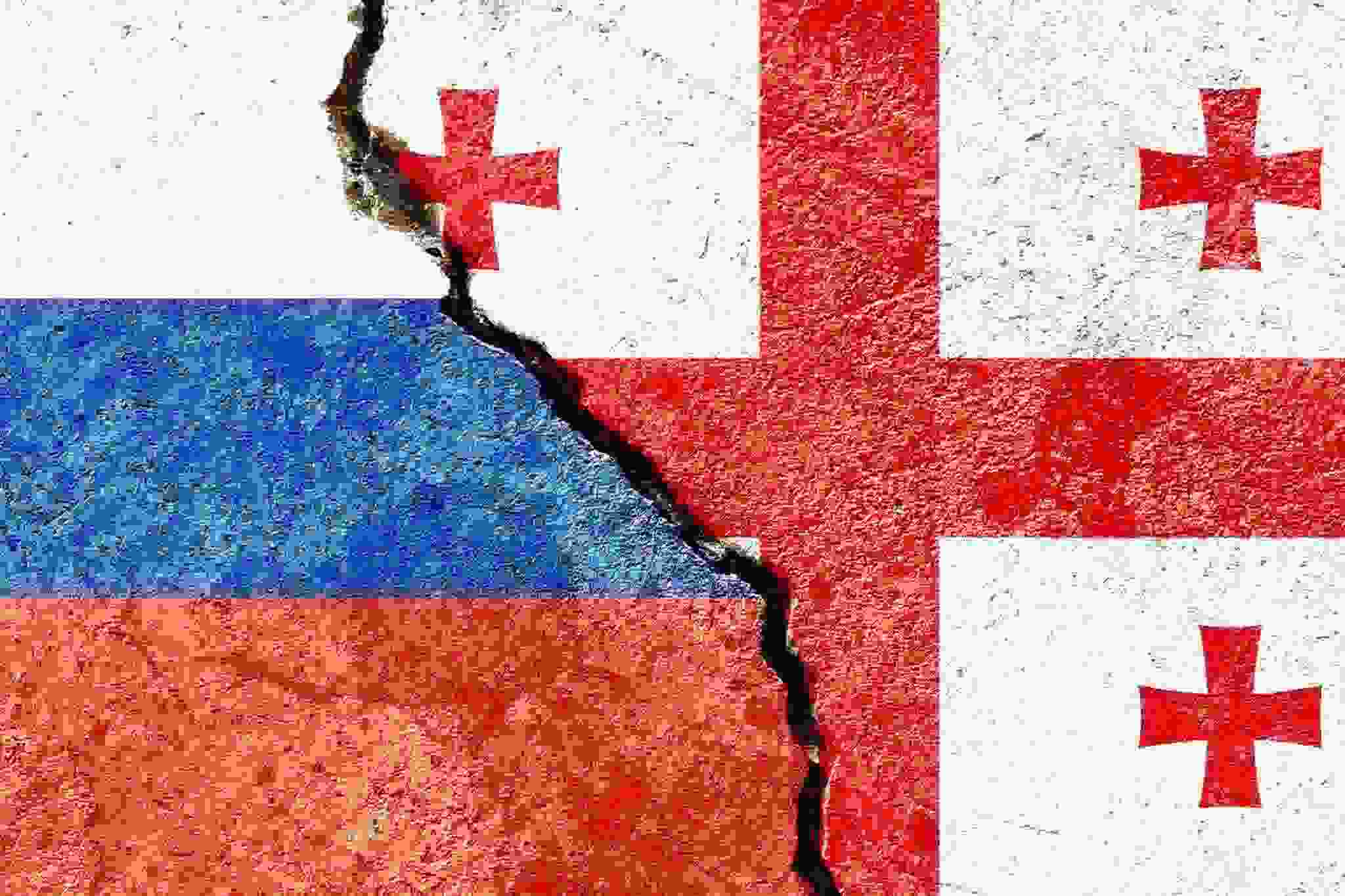
Armenia and Georgia: Two Very Different Protests. Part 2.
PSCRP-BESA Reports No 67 (July 05, 2024)
On June 30, 2024, the Georgian national football team lost 4:1 to Spain in 1/8 final of the UEFA European Championship. In most countries, such a defeat would be considered a failure, and in some countries — a national tragedy. But in Georgia, the players were welcomed as heroes. Why? Because reaching the final part of the championship was a dream come true for most people in the country, and reaching 1/8 final was nothing short of a miracle.
People react to events depending on their expectations, and this applies not only to the sport of football, but also to politics. In Georgia, despite its modest standard of living, the rights and freedoms of citizens are generally safeguarded and respected. The exception was the first years of independence, when the country was ruled by a criminal junta. The majority of citizens associated the improvement of living standards and development of the country with European integration enshrined in the Constitution. Everyone was confident in the irreversibility of this process, but reality forced some adjustments.
In April, the ruling party introduced a bill on “foreign influence,” causing consternation. The Georgian Dream had a chance to win a solid majority in the elections, and returning to a law that had been abandoned a year earlier due to protests seemed illogical. This led to mass protests unprecedented in Georgia’s history.
The question “why?” has become the main focus of Georgian politics. Bidzina Ivanishvili, the founder and honorary chairman of the Georgian Dream, said at the rally that before he took over the country was ruled from outside and a certain global war party wants to destroy Georgia. He presented himself and his party as saviors amidst the world geopolitics and said that Georgia is not loved in Europe, but it will come there anyway. This was a de facto statement of a change of foreign policy course. The work of the parliament in passing anti-democratic laws was part of this change.
Now is the time to answer the question: Why? A simple explanation: Ivanishvili and his party want to rule forever, and this is incompatible with the course towards Europe. It is impossible to rule forever, but hardly anyone from Ivanishvili’s entourage will dare to remind him of this. In fact, there must be another good reason that forced him to leave his comfort zone. And that reason can only be Moscow.
Historically, Georgia has always been problematic for Moscow. Despite bribing the elite, Georgia remained a hotbed of resistance to the empire. After the collapse of the Soviet Union, Georgia would not have attracted much attention were it not for its geographic location. Georgia blocks the East-West corridor, bypassing Russia and Iran, so Russia has always sought political control over it, often in a crude and inept manner.
In the early nineties, the Russian Federation failed to dismember Georgia into states under its control. Thanks to the international influence of Eduard Shevardnadze, the U.S. and Europe thwarted these plans, but Georgia fell temporarily under Russian influence. Shevardnadze and Azerbaijani leader Heydar Aliyev then played a grandmaster’s game: Aliyev had the oil; Shevardnadze had the territory for transportation. The Baku-Supsa and Baku-Tbilisi-Ceyhan projects laid the foundation for the independence of Georgia and Azerbaijan from Russia. Moscow also failed to capitalize on the 2003 Rose Revolution, although the inexperienced Saakashvili seemed more amenable than Shevardnadze.
Moscow tried to negotiate the following things with Saakashvili:
No withdrawal of Russian troops from the bases in Batumi, Akhalkalaki and Vaziani, which was stipulated in the 1999 treaty at the OSCE summit in Istanbul. This meant the loss of Russia’s military presence in the western part of the South Caucasus and the creation of transportation corridors for energy resources bypassing Russia from Azerbaijan and Central Asia.
Transfer of Georgia’s transportation infrastructure under Russian control, including the railroad. It was planned to create the South Caucasus Railway, which would have united the railroads of Georgia, Armenia and Azerbaijan with access to Georgian seaports.
Control over the ports of Poti and Batumi was part of Moscow’s plan to regain control of the South Caucasus. Russia helped Tbilisi regain sovereignty over Adjara, where the then ruler Aslan Abashidze handed over the Batumi oil terminal to the Danes. Chechen oil was also exported through Batumi.
Russia also demanded the purchase of the North-South pipeline, which transported gas to Georgia and Armenia. Although it only transported Russian gas, buying the pipeline gave Moscow the opportunity to create its own gas transportation project to Turkey. This would have increased Georgia’s dependence on Russian gas and hindered the Baku — Tbilisi — Ceyhan project, preventing the transportation of energy resources from Central Asia bypassing Russia.
After Adjara was returned to Tbilisi’s control, Saakashvili refused to sell the North-South gas pipeline to Russia, which triggered an armed conflict in the Tskhinvali region in 2004, an economic blockade and war in August 2008, after which Russia recognized the independence of Abkhazia and South Ossetia. These events led to the severance of diplomatic relations and stagnation in Georgian-Russian relations.
Since the 2012 electoral revolution, Russia has restricted itself to unfreezing trade relations with Georgia and some formative operations. These include the renegotiation of the North-South gas agreement with Armenia in 2016, the opening of a railroad through Abkhazia in 2017, and the increased presence of Russian business in Georgia’s economy.
After February 2024, Russia found itself under sanctions and logistically isolated from the West. Under such circumstances, it has become critical for Moscow to develop an independent logistics ecosystem, especially in the South Caucasus, which provides access to the Middle East and the Mediterranean.
Russia’s diminishing influence in Azerbaijan after Baku ended the Karabakh conflict, by returning its territory, and negative public opinion in Armenia became a challenge for Moscow. Under these circumstances, Georgia has become a key region capable of restoring Russia’s influence.
The Russian Federation has already begun to restore its influence in Georgia through the formation of a political crisis brought about by the Georgian authorities. This has led to increased tensions between Tbilisi and its Western allies. Moscow is actively exploiting this situation, probably playing a role in shaping the crisis.
Short-term goals:
To create an illusion in the minds of the Georgian authorities through their allies in the West (Hungary, Slovakia) that the collective West will not break off relations with Georgia and that public opinion will be led to believe that it is possible to be a European country and be friends with Russia.
Breaking off relations with the West by intensifying internal repression and rigging elections. Political isolation of Georgia.
Expansion of trade and economic partnership between Russia and Georgia within the framework of the Russian ecosystem of survival under sanctions. Development of trade and financial schemes West — Georgia — Russia (EAEU countries).
Participation of Russian companies in major infrastructure projects, especially in the transportation and energy sectors.
Increased presence of Russian capital in Georgia, growth of Russian assets, especially in the banking and financial sector.
Georgia’s withdrawal from the Ukraine Defense Contact Group (UDCG, also known as the Ramstein group).
Changing the Georgian media mainstream narrative and public opinion on the war in Ukraine.
Removing the syndrome of aversion to Russia, among other things, through the formation of the image of an enemy among Georgians on the basis of Turkophobia and Islamophobia, with reliance on specific representatives of the Georgian Orthodox Church (GOC).
Medium-term goals:
Launching a railroad through Abkhazia that will provide access to the Georgian ports of Poti and Batumi, as well as to the Tbilisi-Kars railroad connecting Georgia and Turkey, with the prospect of using the deep-water port of Anaklia as a backup port for Novorossiysk.
Breakdown of relations with SOCAR and return to monopoly gas supplies from Russia.
Georgia’s rejection of European and Euro-Atlantic integration at the institutional level, amendment of the Constitution.
Restoration of diplomatic relations with Georgia against the background of negotiations on the unification of the “three countries of the South Caucasus” into a federation or confederation.
Long-term goals:
Transfer to concession of the railroad and the ports of Poti and Batumi by Georgia.
Return of Russian military bases to Vaziani, Batumi and Akhalkalaki.
Georgia’s accession to the EAEU and CSTO.
The unification of Georgia, Abkhazia, South Ossetia and Adjara into a confederation or federation, and Georgia’s accession to a union state.
Russia has long been developing plans to strengthen its influence in Georgia, and today they are close to materialization. The main goal is to strengthen its influence in the country, and how Russia gets Ivanishvili to do it is not really important. The protests in Georgia are aimed at opposing this turn.
As a result, Georgia falls under Russian influence, although this is not technically formalized. The reaction of the West, including the U.S. and Europe, has been hurtful, but without a clear political opposition in the country, they have little support, despite the support of the population. It is difficult to make predictions in such a situation. Protests will continue even after the elections. The future remains uncertain but very interesting.
Armenia and Georgia: Two Very Different Protests. Part 1.
PSCRP-BESA Reports No 62 (June 7, 2024)
The South Caucasus has been in a zone of political turbulence since September 2020, when after 44 days of fighting Azerbaijan managed to regain control over most of the occupied territories. Much more could have been achieved, however, in November 2020 Moscow intervened, whose aggressive actions forced Baku to sit down at a virtual negotiating table with Armenia and agree to the deployment of a Russian peacekeeping contingent on the territory of the former Nagorno-Karabakh Autonomous Region. The parties’ statement of nine points issued at night regulated virtually everything, but solved nothing. However, subsequent events turned out to be extremely favorable for Azerbaijan and extremely unfavorable for Armenia.
The failure of Moscow’s plans to seize Ukraine and the practical implementation of the “USSR 2.0” project, whatever its name may be, untied Baku’s hands in resolving the Karabakh conflict. Already in September 2022, as a result of a brief military operation, the Azerbaijani armed forces took over a number of dominant heights on the Armenian-Azerbaijani border and brought under fire control the communications linking the southern Armenian region of Syunik with the central part of the country. For the first time, the territories that were part of the Armenian SSR came under the control of Azerbaijan. For the first time, Armenian society faced a real threat of losing not only Karabakh (in the public Armenian consciousness — the territory of the former NKAO and adjacent occupied Azerbaijani regions), but also the territory of Armenia proper. The Syunik district separating the Nakhichevan Autonomous Republic from the central part of Azerbaijan was of particular concern to the Armenian side. By that time, the implementation of almost all the points of interest to Azerbaijan in the trilateral agreements between Russia, Armenia and Azerbaijan concluded after the 44-day war had hit a dead end. The Russians stationed their military in Karabakh, provided a transportation corridor with Armenia and “forgot” both about the issues of reintegration of the region into Azerbaijan and the opening of communication with the Nakhchivan Autonomous Republic. However, the Russian military never received the mandate of peacekeepers, but who cared about such trifles, especially since in Baku they were called peacekeepers, trying not to poke the bear.
Therefore, as soon as Baku had an opportunity to change the status quo on the ground, it did not fail to seize it. Let me remind you once again that such an opportunity appeared as a result of the Kharkiv offensive of the Ukrainian armed forces. Then there was a long story with a strange blockade of Karabakh by Azerbaijani environmentalists. Strange, because for several months the de facto authorities of Karabakh were constantly offered to receive everything they needed, however, not through the Lachin corridor, which was controlled by the Russian military, but through the territory of Azerbaijan. In fact, decisions on this issue were made not so much by the Karabakh authorities but in Moscow. And Moscow did not want Karabakh to be reintegrated into Azerbaijan at all.
This situation lasted from December 2022 to September 2023, when Baku managed to regain control over Karabakh as a result of a military operation. The Armenian population, however, left Karabakh. Why this happened is the subject of another detailed discussion. Baku managed to take advantage of another weakness of Russia: let us recall that it was at this time that Ukraine tried to organize an offensive in the Zaporizhzhya region. The offensive was not successful, but then, in September 2022, no one knew how it would turn out. Thus, in fact, the Karabakh issue was completely resolved by Azerbaijan.
The issue of Armenian-Azerbaijani settlement, border delimitation, opening communications and overcoming the burden of the historical past still remains. It is extremely difficult to do all this. There is a comfortable confidence in Armenian society, regardless of political orientation, that the war for Karabakh was lost not to Azerbaijan, but to hostile Turkey and to Russia, which betrayed Armenia. This unwittingly paints a picture of further expansion of Azerbaijan and Turkey against Armenia with the tacit consent of Russia. This, in turn, calls into question the political leadership of the country, and more precisely, the ability of this political leadership to ensure Armenia’s security without Russia.
To be fair, it should be noted that the Armenian leadership has been sparing no effort to address pressing security issues all this time. All possible players were involved in the process, from France and the United States to Iran, India and some Arab countries. The political situation in France and the United States allowed the Armenian diaspora to actively lobby on this issue: with elections ahead, the votes of voters sympathetic to Armenia were not insignificant. There was no need to convince Iran and India of anything. However, it was obvious from the very beginning that the capabilities and even the willingness of external players were clearly insufficient to replace Russia, which for many years had been the exclusive guarantor of Armenia’s security.
Subsequently, Pashinyan and members of his team became convinced that there was no alternative to the agreements with Baku. The last large-scale political attack on Azerbaijan was launched in late 2023-early 2024. But Baku cared little about all those angry resolutions of various parliaments, congressional hearings and so on. Everyone knew that the reaction would be limited to indignant statements that would eventually fade away. The point is that the demand to transfer this territory under some prospective international jurisdiction and to ensure the return of the Armenian population there was so unrealistic that it was, to put it mildly, not serious to consider all this outside the context of election campaigns. And so it happened: the West made some noise and moved on, Tehran started looking for ways to normalize relations with Baku, and Pashinian’s government started normalizing relations with Azerbaijan, not forgetting the normalization of relations with Turkey.
The reason for this development was objective necessity. Many people in today’s Armenia understand this perfectly well. In the absence of any reasonable alternative to himself in the form of an opposition, Pashinyan could afford it. The losing side here were the forces opposing Nikol Pashinyan, and these are the forces associated with the Armenian diaspora. Let us remind the reader that the largest Armenian diasporas are located in Russia, the United States and France. And one of the most important institutions uniting the Armenian diaspora is the Armenian Apostolic Church. The rejection of the idea of miatsum (“unification”) and, what is even scarier for the diaspora, the normalization of relations with Turkey, which is inevitable after the normalization of relations with Azerbaijan, deprives the Armenian diaspora of the political platform on which they have stood for more than a hundred years. Therefore, they could not ignore what was happening.
The most convenient moment to start to sway Pashinyan’s power was the decision to hand over to Azerbaijan four deserted villages (or rather, the ruins thereof) that were part of the Azerbaijani SSR and were seized by the Armenian side during the First Karabakh War.
Archbishop Bagrat was at the head of the protests against the current government. The move has resonated widely both inside and outside the country, especially among the Armenian diaspora, which actively supports the protest movement. For the first time since 2018, the protests have been led by a figure who does not irritate the majority of Armenian society (both inside the country and in the diaspora). And this circumstance may prove to be a key factor in the future.
But who is he, Archbishop Bagrat? Archbishop Bagrat (Vazgen Galstanyan), also known as Bagrat Srbazan, is a well-known figure of the Armenian Apostolic Church, Archbishop of the Diocese of Tavush. He was born on May 20, 1971 in the city of Leninakan (Gyumri). In 2006 Bagrat Galstyan was ordained to the diaconate. He was the head of the Department of Conceptual Provisions of the Mother See of Holy Etchmiadzin.
He actively participated in church events and patriotic movements. In 2018, Bagrat Galstyan became a member of the Board of Trustees of the Aurora Foundation. In 2019, he became a goodwill ambassador of this foundation. And the founder of the Aurora Foundation is none other than Ruben Vardanyan, who is now in a Baku pre-trial detention center. In addition to Armenian citizenship, Bagrat also has Canadian citizenship, which he received while serving in that country. The Canadian passport, by the way, blocks Bagrat’s possibility to take the prime minister’s chair. However, if the case takes a revolutionary turn, no one will pay attention to it.
The “Tavush in the Name of Motherland” movement, created by Archbishop Bagrat, opposes the demarcation of the border with Azerbaijan and believes that Karabakh should not be part of Azerbaijan. In fact, the protest offers nothing new and actually copies the events of 2018. The same foot march of one person, joined by others who are caring about the cause, along with rallying in the square and blocking the streets. What’s different is that, unlike 2018, this protest is not gaining a critical mass of support. And this is understandable. The Achilles’ heel of the current protest is the absence of a positive program — not because Archbishop Bagrat cannot offer it, but because it does not exist in principle. The balance of forces in the region is such that no matter who and no matter how loud calls for the return of Karabakh and the continuation of the struggle, it is physically impossible. Archbishop Bagrat’s protest is based not on calculation, but on emotions — love for one’s homeland, people, history and so on. On the fact that any leader is inevitably responsible for the country’s defeat, and what has happened, in the collective unconscious of the Armenian people, is undoubtedly a defeat and a severe psychological trauma. And those involved in this protest want not so much to change the future as to punish Pashinyan and his revolutionary team for the past.
As of today, it is clear that Pashinyan’s power is not threatened yet, but these actions may well be seen as a potential plan for the future. After all, Pashinyan will still have to make unpopular decisions. Attempts of the opposition from among the former representatives of the ruling elite to take part in the protest are more harmful than useful. But it can’t be helped, no one can forbid them. As for Moscow’s position, everything that weakens Pashinyan in the public space is objectively beneficial to the Kremlin. However, this protest is hardly perceived there as an opportunity to replace the authorities in Armenia. Rather, it is a potential future option in case Pashinyan really decides to reformat Armenia’s foreign policy course and finally move away from Russia. However, this hardly depends on Pashinyan today: at the global level, everything is decided on the fronts of Ukraine, and at the regional level — in Georgia. More on what is happening in Georgia will follow in the next part of this piece.